
code: 1010
Hardy perennial for meadows, wildlife and naturalistic 2025 gardens
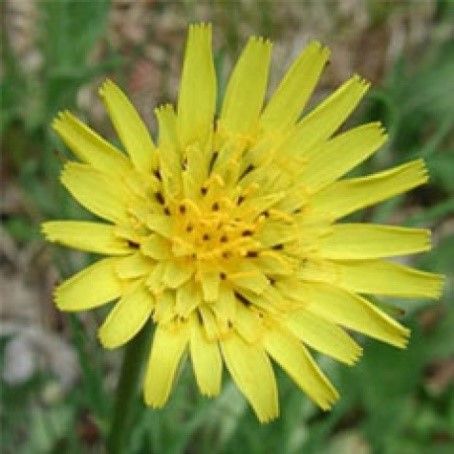
Tragopogon pratensis meadow salsify seeds give you one of the most characterful wildflower-style perennials you can grow. “Meadow salsify” is also known as showy goat’s beard or Jack-go-to-bed-at-noon, a name that comes from its unusual habit: the small yellow flowers open in the morning and close around midday, while the previous day’s giant, apple-sized seed head opens into an impressive dandelion-like clock.
This hardy perennial brings real drama to naturalistic plantings, wildflower meadows and wildlife-friendly borders. Slender, grass-like leaves and upright stems carry sunny yellow flowers, followed by huge, spherical seed heads that look like oversized dandelion clocks. It is eye-catching in both flower and seed, and perfect for gardeners who enjoy plants with a strong seasonal character.
Key Features
-
Family: Compositae (Asteraceae)
-
Botanical name: Tragopogon pratensis
-
Common names: Meadow salsify, showy goat’s beard, Jack-go-to-bed-at-noon
-
Plant classification: Hardy perennial
-
Height: 60–90cm (2–3ft)
-
Habit: Upright, clump-forming with slender stems
-
Flowers: Yellow, dandelion-type rays with green bracts
-
Flowering: Solitary flowers on the stem tips and side branches
-
Bloom time: Typically mornings on sunny days; flowers close by noon
-
Foliage: Grass-like, clasping leaves that curl at the tips
-
Seed heads: Giant, spherical plumes like an enlarged dandelion clock
-
Uses: Meadows, wildlife gardens, naturalistic planting, wildflower-style borders
This plant is excellent for gardeners who want meadow-style planting schemes that are very popular in 2025, with a focus on pollinators, seasonal interest and low-input gardening.
Flower Description
Each stem carries a solitary flower at the top and at the end of a few branching stems. Flowers are:
-
Around 2.5–6cm (1–2½ inches) across
-
Composed of many yellow dandelion-type ray florets (petals)
-
Surrounded by about 8 narrow green bracts, usually as long as or just shorter than the petals
On sunny mornings, the flowers open wide. By midday they close tightly again, giving the plant its “Jack-go-to-bed-at-noon” nickname. The closed flowers resemble a slim, green pod.
The giant seed head that follows is one of the main features of Tragopogon pratensis meadow salsify seeds. It looks like:
-
A large, spherical, dandelion-like plume, about 7–8cm (around 3 inches) across
-
Each brown seed topped with a tuft of whitish hairs, designed to catch the wind and disperse across the meadow
These seed heads are striking in the garden and can be used in dried arrangements and natural craft projects.
Leaves & Stems
-
Leaves:
-
Grass-like blades up to 30cm (1ft) long and about 2cm (¾in) wide at the base
-
Toothless, generally smooth, almost waxy
-
Often with very fine, sparse hairs when young
-
Narrow abruptly near the base and then taper gradually to a pointed tip
-
Leaves clasp the stem and are often curled or coiled at the tips, especially the upper leaves
-
-
Stems:
-
Smooth, green or with a whitish cast
-
May branch near the base or produce multiple flowering stems
-
Just below the seed head, the stem is relatively narrow compared with some similar species
-
These features, along with the curling leaf tips and the relationship between flower rays and bracts, help distinguish Tragopogon pratensis from closely related species such as Tragopogon dubius (yellow goat’s beard).
Sowing Advice
For best results with Tragopogon pratensis meadow salsify seeds, sow as fresh as possible and allow for natural rhythms of dormancy.
When to Sow
-
Seeds can be sown at any time of year, but:
-
Spring sowing provides a full growing season for young plants.
-
Autumn sowing in an unheated greenhouse or cold frame allows natural cold exposure and spring germination.
-
How to Sow
-
Use a good soil-based compost in pots or trays.
-
Sow the seeds and cover with a thin layer of fine grit or compost to approximately their own depth.
-
Water gently and keep the compost moist but never waterlogged.
-
Germination can sometimes be quicker at 15–20°C (59–68°F).
-
Many gardeners prefer to sow in an unheated greenhouse and wait for natural germination, as these seeds may have built-in dormancy mechanisms and often wait until spring to emerge.
Do not throw away seed pots too early. Some seeds may germinate later, especially after experiencing a period of cold followed by warming.
Growing Conditions & Care
-
Light:
-
Best in full sun for strong flowering and well-formed seed heads.
-
-
Soil:
-
Grows in most well-drained garden soils.
-
Often found in meadow-like conditions, verges and rough grassland.
-
-
Water:
-
Water during establishment and in extended dry spells.
-
Once established, plants are relatively tolerant of dry conditions.
-
-
Maintenance:
-
Generally low-maintenance.
-
If you wish to limit self-seeding, remove seed heads before they fully disperse.
-
In meadows or wildlife areas, allow some seed heads to ripen and disperse for a naturalistic effect.
-
-
Pests & Diseases:
-
Usually has no serious insect or disease problems.
-
Fruit & Seed Heads
After flowering, the plant forms a giant dandelion-type plume:
-
The brown seeds each carry a tuft of whitish hairs
-
Seed heads are typically around 7–8cm (3 inches) across
-
On still mornings, the seed heads are beautiful, spherical structures that catch dew and light
-
On breezy days, seeds are easily carried off on the wind, helping the plant find new spots in suitable habitats
These dramatic seed heads are one of the key reasons gardeners choose Tragopogon pratensis meadow salsify seeds for meadows and naturalistic gardens.
Identification Notes
Meadow goat’s beard can be confused with Yellow Goat’s-beard (Tragopogon dubius). Some distinctions:
-
T. pratensis often has deeper yellow flowers
-
The stem just below the receptacle is narrower in T. pratensis
-
The bracts do not extend beyond the petals (rays), or only slightly, whereas in T. dubius they are often much longer
-
Leaf blade tips in T. pratensis are more likely to curl or coil, especially on upper leaves
These details are useful for wild plant enthusiasts and meadow gardeners keen to know exactly what they are growing.
Uses in the Garden
-
Wildflower meadows – blends well with grasses and other meadow species
-
Wildlife gardens – provides nectar and pollen for insects and interesting structure for birds and small wildlife
-
Naturalistic and prairie-style plantings – fits current 2025 trends towards more natural, climate-resilient gardens
-
Rough grassland and informal areas – ideal where a slightly wilder look is desired
The combination of morning-only yellow flowers, the midday closing habit, and the huge dandelion-like seed heads makes this plant a real talking point in any garden.