
code: 1024
Description:
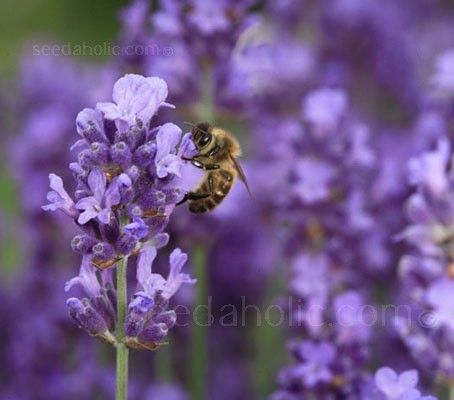
Lavandula angustifolia, also known as True Lavender, Lavender vera, or Fine Lavender, is the most beloved and widely grown English Lavender species. Celebrated for its calming fragrance and medicinal value, this evergreen perennial is a must-have for herb gardens, pollinator-friendly landscapes, and aromatherapy enthusiasts.
Why Choose English Lavender?
English Lavender is prized for its sweet floral aroma, cold hardiness, and drought resistance. It thrives in sunny, well-drained soil, producing stunning violet-blue blooms from June to July that attract bees, butterflies, and other beneficial insects.
This compact variety grows 45–60 cm (18–24 in) tall, forming neat, fragrant mounds perfect for borders, rock gardens, pathways, and low hedging.
Certified Organic Lavender Seeds:
Our organic lavender seeds are grown and harvested under certified organic standards — completely free from chemicals, pesticides, or synthetic treatments. Supplied in their natural state, these seeds guarantee purity and sustainability for eco-conscious gardeners.
How to Grow Lavender from Seed:
Sowing Time:
- Indoors: February to April (late winter to spring)
- Outdoors: August to October (late summer to fall)
Germination Temperature: 13–18°C (55–65°F)
Light Requirement: Full sun
Germination Time: 21–90 days
Instructions:
Sow seeds on the surface of a well-drained compost mix and lightly cover with compost or vermiculite. Keep moist but not soggy. Once seedlings are large enough, transplant into 7.5 cm (3 in) pots. Harden off before planting outside, spacing 45 cm (18 in) apart.
Cultivation Tips:
- Prefers neutral to alkaline soil; tolerates slight acidity.
- Avoid waterlogging — plant on ridges or raised beds if needed.
- Minimal fertilization required; avoid high-nitrogen feeds.
- Thrives in poor, dry, or stony soils once established.
For container growth, use loam-based compost with coarse grit. Water regularly in summer, but keep plants dry during winter dormancy.
Pruning & Maintenance:
Prune Lavender once a year in late summer, after flowering. Trim back faded flower stalks and around 2.5 cm (1 in) of new growth to maintain shape and encourage new shoots. Avoid cutting into old wood.
Harvesting & Drying Lavender:
Cut flower stems in the morning after dew has dried for best fragrance. For dried lavender, tie stems in small bunches and hang upside down in a dark, airy room. Dried lavender retains its vivid color and scent for months — ideal for sachets, potpourri, or natural insect repellents.
Lavender can live and bloom for up to 30 years, rewarding gardeners with years of beauty and aroma.
Pollinator & Companion Benefits:
English Lavender is an excellent pollinator plant, attracting bees, butterflies, and hoverflies. Its strong fragrance also repels moths, fleas, and whiteflies, protecting nearby plants naturally. Plant around fruit trees or vegetable beds to improve biodiversity and deter pests.
Uses and Benefits:
✅ Aromatherapy: A leading plant for essential oil extraction and relaxation therapy.
✅ Medicinal: Known for calming properties, sleep support, and skin healing.
✅ Culinary: Adds floral notes to teas, desserts, and herbal lemonades.
✅ Decorative: Perfect for dried bouquets, crafts, and natural fragrances.
✅ Sustainable Landscaping: Ideal for low-water gardens and eco-friendly borders.
Origin & History:
Native to the Mediterranean region, Lavandula angustifolia has been cultivated since Roman times for its aromatic and cleansing qualities. The name Lavender derives from the Latin lavare, meaning to wash. Historically, it was used in baths, perfumes, and healing ointments.
Quick Facts:
- Botanical Name: Lavandula angustifolia
- Common Names: English Lavender, True Lavender, Fine Lavender
- Height: 45–60 cm (18–24 in)
- Lifespan: Up to 30 years
- Hardiness: Drought- and frost-tolerant
- Sunlight: Full sun
- Soil Type: Well-drained, neutral to alkaline