code: 1027
Description:
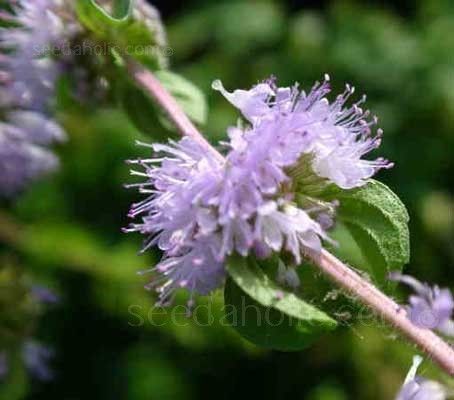
Pennyroyal (Mentha pulegium) is a low-growing, aromatic perennial herb from the mint family, known for its strong peppermint scent and ground-covering habit. Native to Europe, North Africa, and Western Asia, it has naturalized in various regions worldwide. This herb produces dense mats of fragrant foliage that release a refreshing mint aroma when brushed or walked upon. In mid to late summer, it blooms with clusters of delicate lilac-blue flowers, creating a vibrant and pollinator-friendly carpet in gardens and landscapes.
Botanical Information
- Scientific Name: Mentha pulegium
- Common Names: Pennyroyal
- Family: Lamiaceae (Mint family)
- Type: Perennial herb
- Height: 10–30 cm (4–12 in)
- Flower Color: Lilac-blue
- Foliage: Small, aromatic dark green leaves
- Origin: Native to Europe, North Africa, and Western Asia; naturalized worldwide
Ecological and Agricultural Benefits
Pollinator Attraction
Pennyroyal’s lilac-blue flowers are highly attractive to pollinators, including bees and butterflies. Planting pennyroyal can enhance biodiversity and support healthy ecosystems by providing essential nectar and pollen sources for beneficial insects.
Natural Pest Repellent
Traditionally, pennyroyal has been used as a natural deterrent against pests such as ants, fleas, and mice. Planting pennyroyal between paving stones or near patios can help keep these pests away. Additionally, dried leaves can be used in sachets to repel insects. However, it’s important to note that pennyroyal oil is highly toxic and should never be ingested or applied to the skin.
Soil Improvement
As a groundcover, pennyroyal helps suppress weeds and retain soil moisture. Its dense foliage can act as a living mulch, keeping the soil cooler in summer and warmer in winter, while also providing habitat for beneficial soil organisms.
Whisker Flowers
Cultivation and Care
Growing Conditions
- Light: Prefers full sun or partial shade
- Soil: Moist, well-drained soil; tolerates a range of soil types including sandy, loamy, and clay soils
- Water: Regular watering is necessary to keep the soil moist, especially during dry periods
- Hardiness Zones: Suitable for USDA zones 6–9
Planting Instructions
- Sowing: Sow seeds on the surface of moist, good-quality compost, as they need light for germination.
- Germination: Keep at 20°C (68°F) in a bright place; germination usually takes 5–21 days.
- Spacing: Space plants 30 cm (12 in) apart.
- Transplanting: Once seedlings are large enough to handle, transplant them into pots or garden beds.
Maintenance
- Pruning: Trim in spring or after flowering to keep plants compact and bushy.
- Mulching: Apply mulch in cold climates to protect roots through winter.
- Propagation: Pennyroyal can be propagated from seeds or cuttings.
Harvesting and Uses
- Harvesting: Collect leaves and stems just before flowering for the strongest aroma.
- Culinary Use: Historically used to flavor pork, puddings, and teas; however, due to its strong taste and potential toxicity, its culinary use is less common today.
- Medicinal Use: Pennyroyal has been used in traditional medicine to treat various ailments; however, due to its toxicity, its internal use is not recommended. Pennyroyal oil contains pulegone, which can cause liver and kidney damage.
Safety and Toxicity
Pennyroyal contains pulegone, a compound that can be toxic to humans and animals. Ingesting even small amounts of pennyroyal oil can lead to symptoms such as nausea, vomiting, abdominal pain, and dizziness. Larger doses may result in liver and kidney damage, and in severe cases, death. Therefore, pennyroyal should be used with caution, and its internal use is discouraged.
Conclusion
Pennyroyal (Mentha pulegium) is a versatile and beneficial plant that supports pollinator populations, enhances soil health, and contributes to pest control. Its adaptability and ecological benefits make it an excellent choice for gardeners and farmers aiming to promote biodiversity and sustainable practices. However, due to its toxicity, it should be handled with care, and its internal use is not recommended.