flowers and plants

Crataegus Monogyna

Crataegus Monogyna

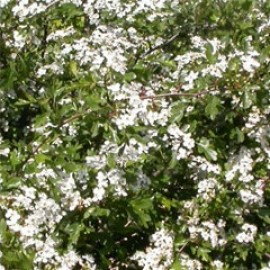
code: 638 In Autumn, the bushes are heavily laden with bright red fleshy berries Family: Rosaceae Common name: Hawthorn, May, Mother die Plant Classification: Hardy shrub Minimum Height: 1.8 meters Maximum Height: 3.6 meters Packet Content(approx.): 8 large seeds One of the most distinctive features of the English countryside in spring is this sweet-smelling tree […]

Crataegus Monogyna Read More »
Potentilla Mixed

Potentilla Mixed

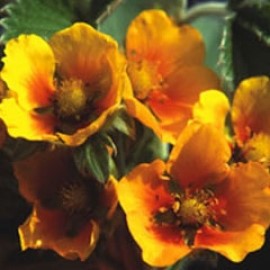
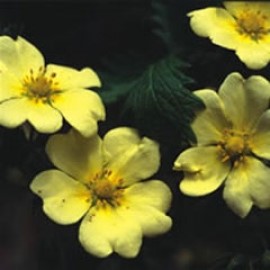
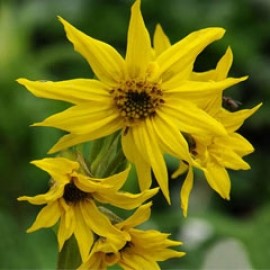
code: 636 A wide selection of many showy herbaceous forms in white Family: Rosaceae Plant Classification: Hardy perennial Minimum Height: 30 cm Maximum Height: 60 cm A wide selection of many showy herbaceous forms in white, yellow, orange and red, e.g. Potentilla argentea, atrosanguinea, grandiflora, hyparctica, megalantha, nepalensis, rupestris nana and several more. Sowing advice:

Potentilla Mixed Read More »

Potentilla Nepalensis

Potentilla Nepalensis

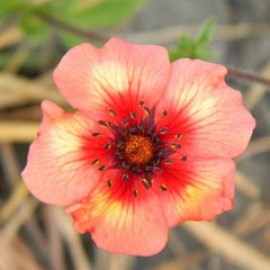
code: 635 A gorgeous garden plant Family: Rosaceae Common name: NEPAL CINQUEFOIL Plant Classification: Hardy perennial Maximum Height: 60 cm Sprays of charming, multi-coloured, red-eyed, pink and yellow flowers open on sprawling stems in July and August. A gorgeous garden plant, although its home is grazing grounds and cultivated areas from 2100 – 2700 metres

Potentilla Nepalensis Read More »

Potentilla Nivea

Potentilla Nivea

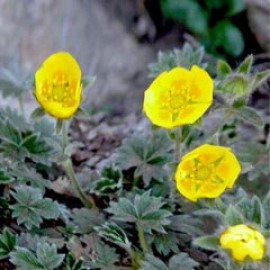
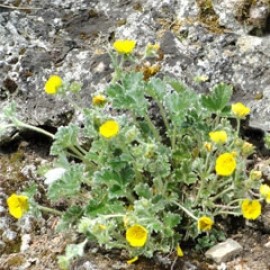
code: 634 it is usually confined to the middle Arctic tundra zone Plant Classification: Hardy perennial Packet Content(approx.): 10 A challenge to grow, this lovely dwarf with bright yellow flowers and a prostrate rosette of hairy, grey-green, divided leaves is very seldom seen in cultivation. A very rare plant, it spends its long winter under

Potentilla Nivea Read More »

Primula Apoclita

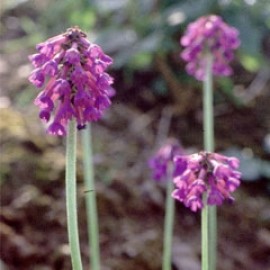
code: 631 very high alpine pastures at 4000-4700m Family: Primulaceae Plant Classification: Hardy perennial Minimum Height: 15 cm Maximum Height: 25 cm This rare plant has compact heads of small, flared-tubular, purplish-blue, fragrant flowers on thin stems above rosettes of small, deeply wrinkled leaves. It comes from China, Yunnan and Sichuan, where it thrives in

Primula Apoclita Read More »

Primula Bulleyana

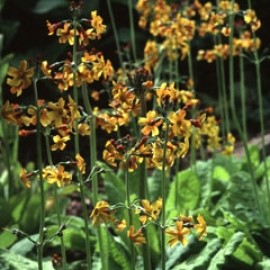
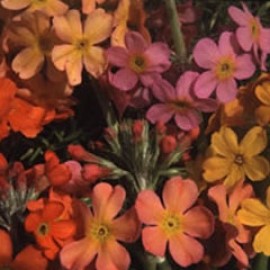
code: 630 It does especially well in waterside environments Family: Primulaceae Plant Classification: Hardy perennial Maximum Height: 45 cm This extremely vigorous and hardy candelabra primula thrusts up numerous strong stems bearing bright orange flowers with darker eyes. It does especially well in waterside environments where it will self-seed generously making fabulous clumps! Sowing advice:

Primula Bulleyana Read More »

Primula Burmanica

Primula Burmanica

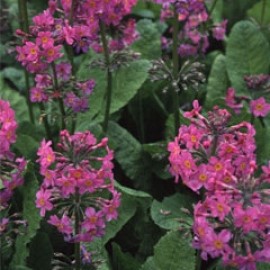
code: 629 wet meadows and the sides of streams in Yunnan and Burma Family: Primulaceae Plant Classification: Hardy perennial Minimum Height: 60 cm Maximum Height: 90 cm Rather resembling Primula beesiana, this plant opens its fuchsia-coloured flowers on strong stems that can be up to nearly 3 feet tall. It prefers moist to even wet

Primula Burmanica Read More »

Stipa Pennata

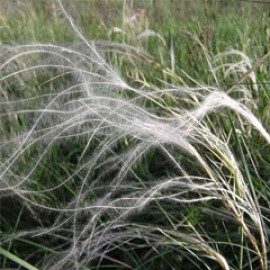
code: 627 Its foliage is green in summer while the flowers Family: Poaceae Common name: Feather grass, European feather grass, Orphan maidenhair Plant Classification: Hardy perennial Minimum Height: 60 cm Maximum Height: 90 cm Stipa pennata, common name European feather grass, or Orphan maidenhair is a flowering ornamental grass in the family Poaceae,it is grown

Stipa Pennata Read More »

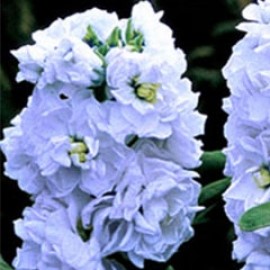
Stocks Cinderella 'Silvery Blue'

Stocks Cinderella ‘Silvery Blue’

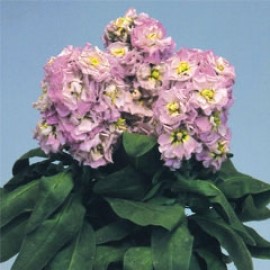
code: 624 These plants are selectable for 100% doubleness Family: Cruciferae Common name: Mathiola incana Plant Classification: Half hardy annual Minimum Height: 20 cm Maximum Height: 25 cm An extremely early and long-flowering variety with unique, silvery-blue flowers with a sweet and spicy scent on magnificent multiple spikes. These plants are selectable for 100% doubleness.

Stocks Cinderella ‘Silvery Blue’ Read More »

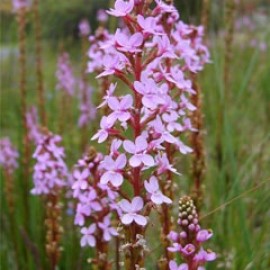
Stylidium Graminifolium

code: 623 The trigger stays cocked until an insect probes the flower Family: Stylidiaceae Common name: The Grass Trigger plant Plant Classification: Half hardy perennial Maximum Height: 90 cm From a basal rosette of radiating, long, thin, prostrate pointed leaves arises a strong stem holding attractive pink flowers. “Trigger plants” are so called because of

Stylidium Graminifolium Read More »

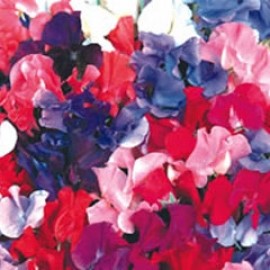
Sweet Pea Spencer Mixed

Sweet Pea Spencer Mixed

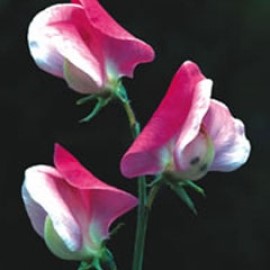
code: 622 A superb formula mixture of Spencer sweet peas Family: Leguminosae Plant Classification: Hardy annual Packet Content(approx.): 25 A superb formula mixture of Spencer sweet peas, including some of the new introductions from the world’s best breeders. Sowing advice: Sow autumn in cold greenhouse or late winter/early spring in warm greenhouse, propagator or windowsill

Sweet Pea Spencer Mixed Read More »

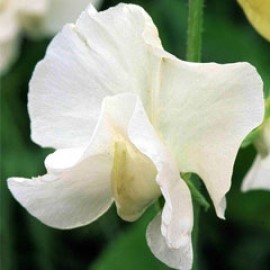
Sweet Pea ‘Royal Wedding’

code: 621 Ideal for exhibition or garden use Family: Leguminosae Plant Classification: Hardy annual Packet Content(approx.): 25 The best long-stemmed, fragrant pure white sweet pea available today. Awarded Certificate of Merit by the Scottish National Sweet Pea Society. Ideal for exhibition or garden use. Sowing advice: Sow autumn in cold greenhouse or late winter/early spring

Sweet Pea ‘Royal Wedding’ Read More »

Sweet Pea ‘Painted Lady’

code: 620 A profusion of rose/white bicolor flowers Family: Leguminosae Plant Classification: Hardy annual Packet Content(approx.): 25 A lovely old-fashioned heirloom variety dating back to 1737. A profusion of rose/white bicolor flowers which are smaller than those of modern forms, but this is more than compensated for by their entrancing perfume. Sowing advice: Sow autumn

Sweet Pea ‘Painted Lady’ Read More »

Aquilegia Scopulorum

Aquilegia Scopulorum

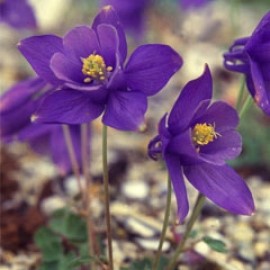
code:617 It will do of its best if grown in a moist Family: Ranunculaceae Common name: Rocky Mountain columbine, Granny’s Bonnets Plant Classification: Hardy perennial Minimum Height: 3 cm Maximum Height: 8 cm An exquisite dwarf from the Rocky Mountains, having irregular and surprisingly large for its size, long-spurred, showy, blue-violet flowers with one inch

Aquilegia Scopulorum Read More »