flowers and plants

Cynoglossum Officinale

Cynoglossum Officinale

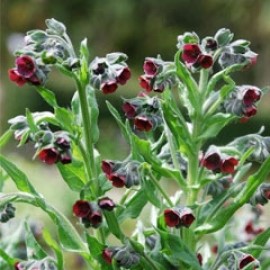
code: 553 pointed leaves are tipped with clusters of burgundy flowers in spring and midsummer Family: Boraginaceae Common name: HOUNDSTOOTH, DOG’S TONGUE, GYPSY FLOWER Plant Classification: Hardy biennial Hardy annual Minimum Height: 60 cm Maximum Height: 75 cm Strong stems carrying rough, hairy, pointed leaves are tipped with clusters of burgundy flowers in spring and […]

Cynoglossum Officinale Read More »
Cynoglossum Amabile

Cynoglossum Amabile

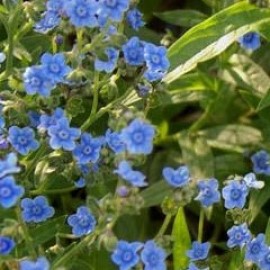
code: 552 bees absolutely adore these flowers Family: Boraginaceae Common name: CHINESE FORGET-ME-NOT, CHINESE HOUND’S TOOTH Plant Classification: Hardy biennial Hardy annual Minimum Height: 30 cm Maximum Height: 60 cm Packet Content(approx.): 10 This superb, easy-to-grow, rapid-growing plant will produce beautiful drifts of dazzling, bright blue flowers that will flower constantly from June until October.

Cynoglossum Amabile Read More »

Cynodon Aethiopicus

Cynodon Aethiopicus

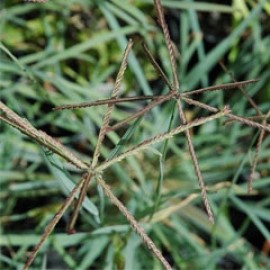
code: 551 In the wild it occurs down the east coast of Africa from the Red Sea to the Transvaal Family: Cynodonteae Common name: Giant star grass, Ethiopian dog’s tooth grass, Nakuru grass Plant Classification: Half hardy perennial Minimum Height: 40 cm Maximum Height: 1.0 meter This perennial, mat forming grass makes a solid sward

Cynodon Aethiopicus Read More »

Cyclamen Repandum

Cyclamen Repandum

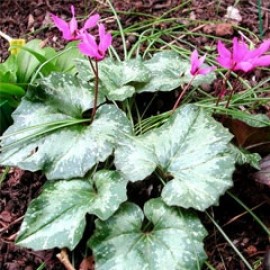
code: 550 They live in the wild in woods and shaded banks in Mediterranean countries Family: Primulaceae Common name: Wavy-edged cyclamen Plant Classification: Hardy perennial Maximum Height: 10 cm Packet Content(approx.): 8 Late spring-blooming, showy, fragrant rose-pink flowers, deeper coloured at the base of the petals, open above wide, heart-shaped leaves, which are often coarsely

Cyclamen Repandum Read More »

Astrantia Major 'Ruby Wedding Series'

Astrantia Major ‘Ruby Wedding Series’

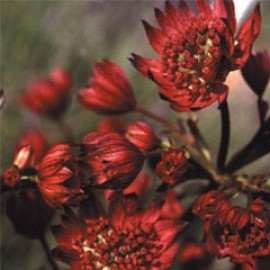
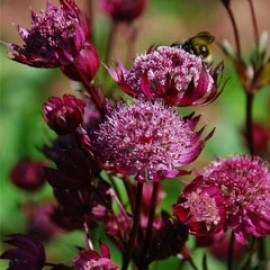
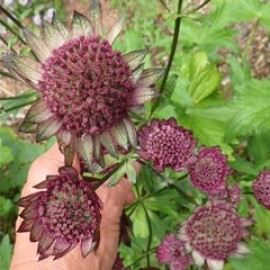
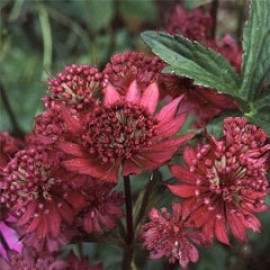
code: 548 very long flowering period (May-October) Family: Umbelliferae Common name: Masterwort ‘Ruby Wedding’ Plant Classification: Hardy perennial Maximum Height: 60 cm Packet Content(approx.): 12 Seed from the darkest ruby and maroon forms in our garden. Invaluable, very long flowering period (May-October). Sowing advice: For best results, sow seeds as soon as you receive them

Astrantia Major ‘Ruby Wedding Series’ Read More »

Astrantia Supernova

Astrantia Supernova

code: 546 This one really is first-come-first-served! Family: Umbelifers Plant Classification: Hardy perennial Minimum Height: 30 cm Maximum Height: 60 cm Packet Content(approx.): 5 Discovered in 2016 here at Plant World, this astrantia has the largest and most impressive flower heads we have ever seen! The name ‘Supernova’ is inspired by the huge maroon, dome

Astrantia Supernova Read More »

Aropa Belladonna

Aropa Belladonna

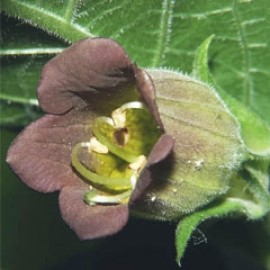
code: 545 its common name is true and appropriate Family: Solanaceae Common name: DEADLY NIGHTSHADE, DWALE Plant Classification: Hardy perennial Minimum Height: 60 cm Maximum Height: 1.2 meters Purple-green bell flowers, deep purple inside, hang on thick stems bearing soft leaves. Later appear the juicy black berries. But be warned, its common name is true

Aropa Belladonna Read More »

Astrantia Maxima

Astrantia Maxima

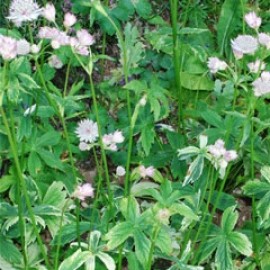
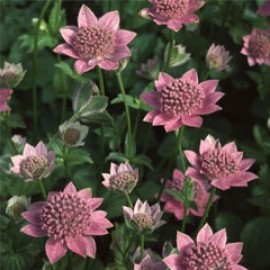
code: 544 A very beautiful plant Family: Umbelliferae Common name: Masterwort Plant Classification: Hardy perennial Maximum Height: 60 cm Exquisite, upwards facing, green bracted, pure rose pink flowers are held above compact clumps of bold tripartite foliage. This is the most desirable of all the long-lived astrantias with a rewardingly long flowering period. “A very

Astrantia Maxima Read More »

Astragalus Pelecinus

Astragalus Pelecinus

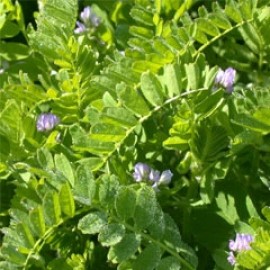
code: 542 A most unusual plant in the clover family bearing pink Family: Fabaceae Common name: Biserrula pelecinus Plant Classification: Hardy perennial Minimum Height: 30 cm Maximum Height: 60 cm A most unusual plant in the clover family bearing pink and purple flowers above clumps of pinnate leaves. Intriguingly shaped seed pods with deeply-scalloped edges

Astragalus Pelecinus Read More »

Aster Vahlii

Aster Vahlii

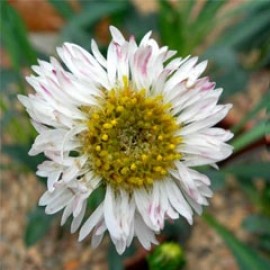
code: 541 This pretty plant is one of the few South American asters Family: Compositae Plant Classification: Hardy perennial Minimum Height: 23 cm Maximum Height: 30 cm From strong clumps of long, spathulate leaves, arise thin dividing stems carrying semi-doubled, yellow-eyed daisies which are delicately blotched with purple. This pretty plant is one of the

Aster Vahlii Read More »

Aster Stracheyi

Aster Stracheyi

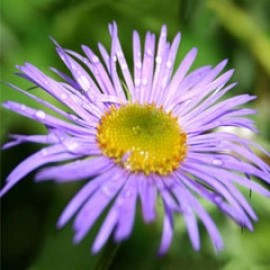
code: 540 The slow-creeping carpet of stems carries short Family: Compositae Common name: Strachey’s Aster Plant Classification: Hardy perennial Minimum Height: 8 cm Maximum Height: 10 cm Diminutive in all aspects apart from flower size, this rare, dwarf creeping plant bears short-stemmed, pinkish mauve flowers with numerous exceptionally thin petals. The slow-creeping carpet of stems

Aster Stracheyi Read More »

Prostanthera lasianthos

Prostanthera lasianthos

code: 536 A spectacular, scented foliage, evergreen shrub from Australia Family: Labiatae Plant Classification: Half hardy perennial Minimum Height: 90 cm Maximum Height: 1.8 meters Delicate, fragrant, purple-spotted, pale lilac, orchid-like flowers adorn the “Christmas Bush” for six months. Do the flowers look like angels or does it flower at Christmas in Oz? A spectacular,

Prostanthera lasianthos Read More »

Proustia Pyrifolia

Proustia Pyrifolia

code: 535 it lives in the foothills of the Andes and ascends to more than 2,000 metres Family: Asteraceae Common name: Tola blanca Plant Classification: Half hardy shrub Hardy shrub Minimum Height: 1.5 meters Maximum Height: 3.0 meters Looking rather like an escallonia, but is no relative, this lovely evergreen shrub bears numerous pink flowers

Proustia Pyrifolia Read More »

Prunus laurocerasus

Prunus laurocerasus

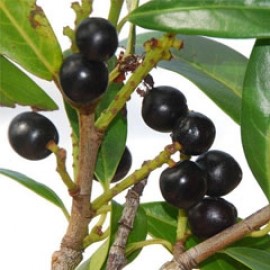
code: 534 The small black cherries which appear in autumn in bunches Family: Lauraceae Common name: CHERRY LAUREL Plant Classification: Hardy tree Hardy shrub Minimum Height: 1.0 meter Maximum Height: 3.0 meters Packet Content(approx.): 10 large seeds The common name “cherry laurel” refers to the similarity of foliage and appearance to the true laurel, Bay

Prunus laurocerasus Read More »