
Code: 1020
Description:
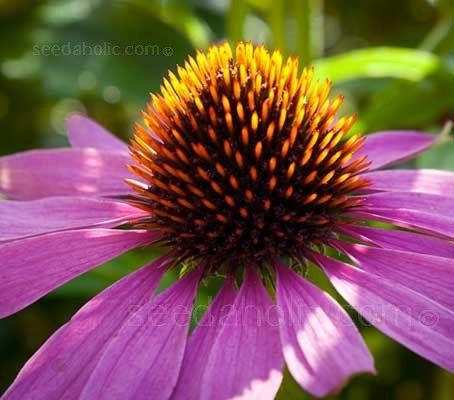
Echinacea purpurea, also known as the Purple Coneflower, is one of the most beloved immune-boosting herbs and low-maintenance perennials for home gardens. While many people know Echinacea as a natural cold and flu remedy, gardeners value it for its long-lasting blooms, drought tolerance, and pollinator-friendly flowers that attract bees, butterflies, and finches all summer long.
Why Grow Echinacea Purpurea?
Native to North American prairies, Echinacea purpurea is a star of the “new naturalism” garden trend. Its tall, sturdy stems and striking purple-pink daisy-like flowers create a spectacular display from July to September.
Growing up to 100 cm (39 in) tall and 60 cm (24 in) wide, it brings a vibrant, natural look to both formal borders and wildflower meadows.
Besides beauty, Echinacea is also eco-friendly and wildlife-supportive — its seed heads feed birds in winter and add structure to snowy landscapes.
In 2025, it remains one of the best perennial flowers for pollinators and a top choice for organic gardeners.
How to Grow Echinacea Purpurea
Sowing time: late winter–spring or late summer–autumn
Flowering time: 11–15 weeks after germination
Indoors
- Sow seeds at 20–24 °C (68–75 °F) in a well-drained seed-starting mix.
- Surface-sow the seeds (they need light to germinate) and press gently into the soil.
- Keep moist but not waterlogged — germination takes 5–20 days.
- Transplant seedlings into 7.5 cm (3 in) pots and grow on until strong enough to plant outdoors.
If seeds fail to germinate, place the tray in a cold area (4 °C / 39 °F) for 2–4 weeks to mimic natural winter conditions.
Outdoors
Plant in full sun and well-drained, humus-rich soil.
- Tolerates drought, heat, and poor soil.
- Avoid overwatering; once established, it prefers dry conditions.
- Minimal fertilizer keeps growth compact and sturdy.
- Deadhead faded blooms to encourage more flowers.
Maintenance Tips
- Divide every few years to maintain vigor.
- Allow some seed heads to remain for self-seeding and wildlife food.
- Excellent for cut flowers — both fresh and dried.
Cut Flower and Landscape Use
Fresh Echinacea purpurea lasts about 7 days in a vase.
To dry, hang flower heads upside down in a dry, well-ventilated area.
Perfect for:
- Cottage gardens
- Prairie or pollinator gardens
- Flower beds and borders
- Wildlife and organic gardens
Medicinal Benefits of Echinacea Purpurea (2025 Research)
Echinacea purpurea, E. pallida, and E. angustifolia are the main medicinal Echinacea species.
They are rich in phenolic compounds, flavonoids, and alkamides, known for their anti-inflammatory, antioxidant, and immune-regulating effects.
Recent 2025 Findings
- A 2025 meta-analysis confirmed Echinacea can reduce the duration and recurrence of upper respiratory infections.
- New studies show potential lung-protective and anti-fibrotic properties in laboratory tests.
- Advanced CO₂ extraction methods now enhance the potency of Echinacea supplements and organic extracts.
- Global demand for organic Echinacea products continues to rise, reaching an estimated $500 million market value by 2025.
Traditional Uses
Historically used by Native Americans to treat colds, infections, toothaches, and wounds, the root and leaves were brewed into Echinacea tea to boost the immune system and relieve pain or sore throat.
Organic Echinacea Seeds
Our Echinacea purpurea seeds are 100% certified organic, grown without synthetic chemicals or pesticides. Harvested from plants meeting international organic standards, they are untreated and naturally air-dried to preserve purity and germination quality.
Origin & Conservation
Echinacea belongs to the Asteraceae (daisy) family and includes nine species, all native to the central and southeastern U.S.
Species like E. tennesseensis and E. laevigata remain endangered. The yellow-flowered E. paradoxa and E. simulata are unique species from the Ozarks.
The name Echinacea derives from the Greek word echinos, meaning “spiky,” referring to its cone-shaped center. The species name purpurea means “purple-coloured.”
In Summary – Why Choose Echinacea Purpurea in 2025
- Immune-boosting perennial for sustainable gardens
- Supports pollinators and wildlife
- Drought-resistant and easy to grow
- Beautiful purple blooms all summer
- Certified organic seeds available
- Backed by modern research and traditional wisdom
Whether you’re creating a pollinator-friendly garden, looking for a natural herbal remedy, or simply want a hardy, low-maintenance flower, Echinacea purpurea remains one of the best perennial plants of 2025.