
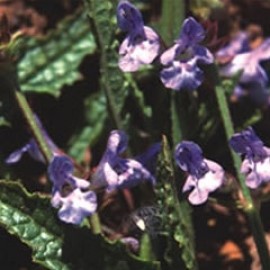
Code:515
Leaves intriguingly perfumed with an aromatic mixture of sage and mint
Family: Labiatae
Plant Classification: Hardy perennial
Minimum Height: 38 cm
Maximum Height: 45 cm
A completely hardy, herbaceous dwarf plant from the mountains of South Africa. Dense sprays of delicate pinkish-blue and white flowers attract bees throughout the summer. Leaves intriguingly perfumed with an aromatic mixture of sage and mint.
Sowing advice:
For best results, sow seeds immediately onto a good soil-based compost. Cover the seeds with fine grit or compost to approximately their own depth. They can be sown at any time, and germination can sometimes be quicker if kept at 15 to 20 degrees C. However, we sow most seeds in an unheated greenhouse and wait for natural germination as many seeds have built-in dormancy mechanisms, and often wait for spring before emerging regardless of when they are sown. But spring sowing will obviously give them a full season of growth if successful germination occurs.
Gardening tips:
* All salvias thrive in full sun and well-drained soil. Many varieties (typically those with light-colored flowers) will also do well in part-shade, but flowering will be reduced. A south-facing location is ideal. Salvias look great when planted in groupings of three or more.
*While different species of salvia will vary in terms of their height and spread, these plants will generally reach heights between 2–4 feet and can have a spread of anywhere from a foot to 4 feet. Their fast growth will quickly provide you with some color and greenery in your garden.
*Sometimes this browning is made worse by the plant getting hit too frequently with water. (Such as from an automatic irrigation system that comes on more than once a week.) So be sure that the plant is only getting watered ever 6 to 7 days. Cut off all the brown parts, leaving the lower foliage only.
Uses:
Traditionally the leaves have been added to the bath for treating sores, and a decoction of the root has been used for both humans and cattle for treating stomach-ache and diarrhoea. Smoke from burning the plant can be used as a fumigant.