
code: 1023
Description:
Hyssop (Hyssopus officinalis) is a fragrant perennial herb known for its vibrant blue flowers, medicinal properties, and culinary versatility. Similar to rosemary and lavender, it adds both beauty and aroma to gardens and is making a strong comeback among organic gardeners and herbal enthusiasts.
Why Grow Organic Hyssop?
Hyssop is a pollinator-friendly herb that thrives in sunny, well-drained soils, attracting bees, butterflies, and beneficial insects. Its compact, bushy habit makes it ideal for herb borders, rock gardens, container gardening, or even as a low aromatic hedge.
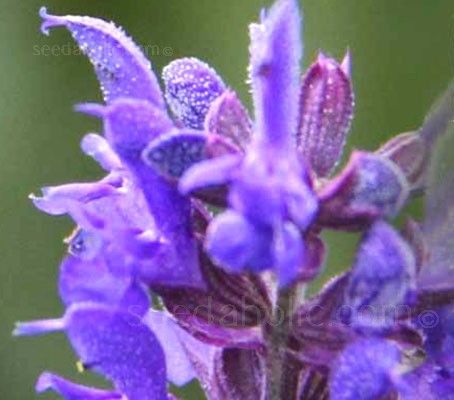
The plant’s narrow, dark green leaves release a peppery, aromatic scent, while its blue, pink, or white blooms brighten gardens from July to October. Hyssop is also a low-maintenance and drought-tolerant herb once established, making it perfect for eco-friendly and sustainable gardens.
Certified Organic Hyssop Seeds
Our organic hyssop seeds are produced under certified organic standards, ensuring they are completely chemical-free and untreated. The seeds are harvested naturally from healthy plants and labeled with the Organic symbol, guaranteeing purity and sustainability.
Sowing & Growing Hyssop from Seed
Sowing Time:
- Indoors: March–April
- Outdoors: May–June
Instructions:
- Indoors: Sow in small pots filled with well-drained compost. Cover lightly (5mm/¼in) and keep moist. Seeds germinate in 14–21 days. Transplant seedlings outdoors after the last frost, spacing 30–45cm (12–18in) apart.
- Direct Sowing: Sow directly in prepared soil, thinning plants to 45cm (18in) apart.
Hyssop thrives in full sun and light, dry soils. Mix in organic compost or aged manure before planting.
Cultivation & Plant Care
Hyssop plants grow 50–60cm (24–28in) tall with a spread of about 30cm (12in). Pruning the tips after flowering encourages compact growth and abundant blooms the following year.
Because of its resilience, Hyssop is ideal for hot, dry, or rocky gardens and can even be grown as a low hedge or border plant. It’s less invasive than other mint family members, making it easy to manage in mixed herb gardens.
Harvesting & Storing Hyssop:
Harvest young leaves and stems in the morning after dew dries for the strongest flavor.
Use fresh in soups, stews, meat dishes, or herbal teas.
To dry: Bundle stems and hang upside down in a dark, airy room for about 6 days. Store dried leaves in airtight jars for up to 18 months.
Hyssop can also be frozen for long-term use.
Medicinal & Culinary Uses:
Hyssop has been prized for centuries as a medicinal and aromatic herb.
✅ Culinary Uses: Use like rosemary—add sparingly to roasted meats, fish, soups, and salads for a strong, aromatic flavor.
✅ Tea: Brewed from the green tops to aid digestion and respiratory comfort.
✅ Medicinal Uses: Traditionally used for chesty coughs, bruises, and digestive health.
✅ Aromatherapy & Oils: Used in essential oils, Eau de Cologne, and liqueurs like Chartreuse and Absinthe.
⚠️ Note: Essential oil of Hyssop should be used externally and with care. Consult a qualified herbal practitioner before internal use.
Pollinator Benefits & Companion Planting:
Hyssop is a magnet for bees, hoverflies, and butterflies, contributing to healthy pollination in your garden. Beekeepers often plant hyssop near hives to encourage bees to stay close.
Companion Plants:
Good: Cabbage, grapevines (improves yield), and other sun-loving herbs.
Avoid planting near: Radishes.
Hyssop is non-invasive and ideal for interplanting with vegetables or ornamentals.
Collecting Hyssop Seeds
Hyssop is a short-lived perennial that can be renewed by collecting its seeds. Allow pods to dry on the plant, then place the stems in a paper bag. After drying for 1–2 weeks, shake to release the seeds, remove chaff, and store in a cool, dark place.
History & Origin:
Native to the Mediterranean and Central Asia, Hyssop has been revered since ancient times as a holy herb used for purification and healing. Its name comes from the Hebrew esob and Greek hyssopos, meaning holy herb.
Historically, it was planted in monastery gardens and used in religious ceremonies, as well as for treating wounds and infections. The Latin term officinalis refers to its official recognition as a medicinal plant in early apothecaries.
Quick Facts:
- Botanical Name: Hyssopus officinalis
- Common Names: Hyssop, Holy Herb
- Height: 50–60cm (24–28in)
- Sunlight: Full sun
- Soil: Well-drained, light, slightly dry soil
- Uses: Culinary, Medicinal, Aromatic, Ornamental, Companion Plant
- Lifespan: Perennial, replace every few years
Garden Uses:
✅ Herb borders and low hedges
✅ Container gardening
✅ Wildlife and pollinator gardens
✅ Rock gardens and Mediterranean landscapes
✅ Drought-tolerant and eco-friendly gardens
Nomenclature:
The name Hyssop traces back through the Greek hyssopos and Hebrew esob, meaning “holy herb.” While it is uncertain if Hyssopus officinalis is the exact “hyssop” mentioned in the Bible—“Purge me with hyssop, and I shall be clean; wash me, and I shall be whiter than snow” (Psalm 51:7)—this aromatic herb was historically seen as a symbol of purification. It was often planted in monastery gardens, used in church cleansing rituals, and depicted in religious art to symbolize humility.
When Carl Linnaeus introduced the binomial nomenclature system, he gave the species the name officinalis, indicating its recognized medicinal, culinary, and herbal uses. The term officinalis comes from the Latin officina, meaning a storeroom in monasteries where medicinal herbs were kept. This designation highlights hyssop’s long-standing role as a medicinal herb.
Due to its dense, bushy growth, hyssop was commonly used as a hedge or in herb garden mazes. In the 17th century, it served as a strewing herb in sickrooms to help prevent infections and was even used in cleansing rituals for lepers. Traditionally, it was employed as a herbal remedy for coughs, catarrh, and wounds. In English country medicine, a poultice of bruised hyssop leaves and sugar was applied to cuts and scrapes to reduce the risk of tetanus.
Although Hyssopus officinalis was once listed in official European pharmacopoeias, today it is mainly cultivated as an ornamental herb, valued for its aromatic leaves, attractive flowers, and versatile uses in gardens, culinary dishes, and herbal remedies.