Code: 1012
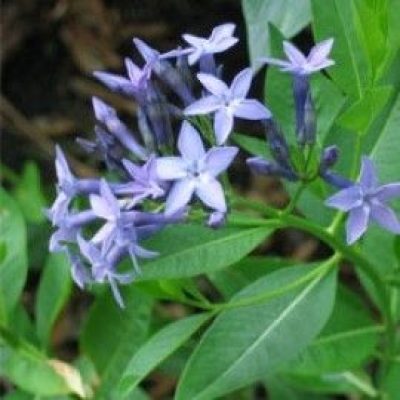
Amsonia orientalis ‘Eastern Blue Star’ seeds produce one of the most desirable blue perennials for modern gardens. This rarely-seen, clump-forming plant from Greece and Asia Minor features star-shaped, rich blue flowers held above narrow, lance-shaped foliage. Larger and longer-lasting than many similar varieties, it’s perfect for sunny or lightly shaded borders.
Forming neat clumps 40–60 cm (1–2 ft) tall, this hardy, well-behaved perennial spreads very slowly, ensuring it won’t overrun your garden. Its naturalistic, wildlife-friendly charm makes it ideal for today’s sustainable planting trends.
Each seed packet contains approximately 8 large, carefully collected seeds.
Key Features
Family: Apocynaceae
Common Name: Eastern Blue Star
Botanical Name: Amsonia orientalis (syn. Rhazya orientalis)
Plant Type: Herbaceous perennial
Hardiness: H4 (hardy through most UK and similar climates, -10 to -5°C)
Height: 40–60 cm (1–2 ft)
Spread: 30–60 cm (1–2 ft)
Habit: Clump-forming, slow spread
Foliage: Deciduous, narrow lance-shaped leaves
Flowers: Rich blue, star-shaped, long-lasting
Flowering Period: May to July (sometimes longer)
Position: Full sun or partial shade
Soil: Almost any well-drained garden soil
Colour Palette: Blue flowers, green foliage, subtle white in faded blooms
Time to Full Growth: 2–5 years
Packet Content: ~8 large seeds
Pairs beautifully with Geranium, Crocosmia, and Roses (Rosa) and fits well in mixed borders, cottage gardens, and pollinator-friendly plantings.
Plant Description
Amsonia orientalis forms compact, leafy clumps of narrow, lance-shaped foliage. In late spring and early summer, stems carry clusters of:
Rich blue, star-shaped flowers that maintain their vibrant color
Blooms larger and longer-lasting than many other Amsonia varieties
Soft, relaxed aesthetic, blending seamlessly into mixed borders
In autumn, foliage often develops attractive yellow tones before dying back. The plant reliably returns each spring, gradually forming slightly larger clumps without aggressive spreading.
This slow-growing, clump-forming perennial is ideal for gardeners seeking long-lived, low-maintenance, non-invasive plants.
Sowing Advice
For best results, use fresh seeds. Some may show dormancy, so patience is required.
When to Sow
Spring (late winter to spring): Young plants gain a full growing season
Autumn: Sow in cold frames or unheated greenhouses for natural winter chilling and spring germination
General Method
Use soil-based seed compost in pots or trays
Surface sow seeds, covering lightly with fine grit or compost to their own depth
Water gently, keep moist but not waterlogged
Maintain trays at ~15–20°C (59–68°F) for quicker germination
Alternatively, place pots in a cold frame and allow natural temperature fluctuations
Germination may be irregular – do not discard seed pots prematurely
After Germination:
Prick out seedlings into individual pots with free-draining compost
Grow in a bright, frost-free place (early sowing) or cold frame (late sowing)
Harden off and plant in spring or early autumn, spacing 30–45 cm (12–18 in) apart
Amsonia may take 2–5 years to reach full size, but is highly rewarding for patient gardeners.
Growing Conditions & Care
Light: Full sun for best flowering; tolerates partial shade
Soil: Well-drained; avoid permanently wet soils in winter
Watering: Water regularly while establishing; moderately drought-tolerant once mature
Feeding: Light mulch in spring usually sufficient
Pruning: Remove spent flower stems; tidy autumn foliage; clear old stems in spring
Pests & Diseases: Generally trouble-free
Garden Uses & Companions
Amsonia orientalis is perfect for:
Mixed herbaceous borders
Cottage and informal gardens
Wildlife and pollinator-friendly plantings
Naturalistic or prairie-style schemes
Underplanting with grasses and other perennials
Pairs particularly well with:
Geraniums: Soft mounds of pink, blue, or purple flowers
Crocosmia: Fiery orange or red spikes contrast beautifully with blue stars
Roses (Rosa): Airy blue underplanting adds structure and elegance
Use these seeds to add a calm, elegant blue note to your planting, providing late spring and early summer interest.
Botanical & Naming Notes
Accepted Name: Amsonia orientalis
Synonym: Rhazya orientalis (older trade name)
Family: Apocynaceae
Common Name: Eastern Blue Star
Origin: Greece and Asia Minor
Rarely cultivated, but hardy, long-lived, and easy to grow once established
As gardeners in 2025 increasingly favor resilient, long-lived perennials with natural charm, Amsonia orientalis deserves wider recognition in modern, sustainable, and pollinator-friendly gardens.