Author name: takpc

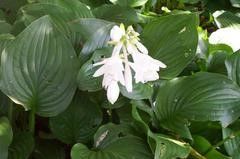
Hosta Plantaginea

Hosta Plantaginea

code: 1203 Common Name: hosta Type: Herbaceous perennial Family: Asparagaceae Native Range: China Zone: 3 to 9 Height: 1.00 to 1.50 feet Spread: 1.50 to 2.00 feet Bloom Time: August to September Bloom Description: White Sun: Part shade to full shade Water: Medium Maintenance: Low Flower: Showy, Fragrant, Good Cut Attracts: Hummingbirds Tolerate: Heavy Shade,

Hosta Plantaginea Read More »

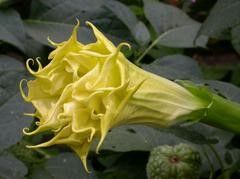
Datura Metel

Datura Metel

code: 1201 Common Name: horn-of-plenty Type: Herbaceous perennial Family: Solanaceae Native Range: Southwestern China Zone: 9 to 10 Height: 3.00 to 4.00 feet Spread: 3.00 to 4.00 feet Bloom Time: July to frost Bloom Description: White, yellow, lilac and purple Sun: Full sun Water: Medium Maintenance: Low Suggested Use: Annual Flower: Showy, Fragrant Leaf: Fragrant

Datura Metel Read More »

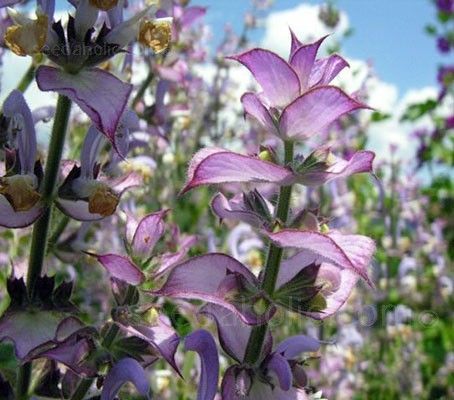
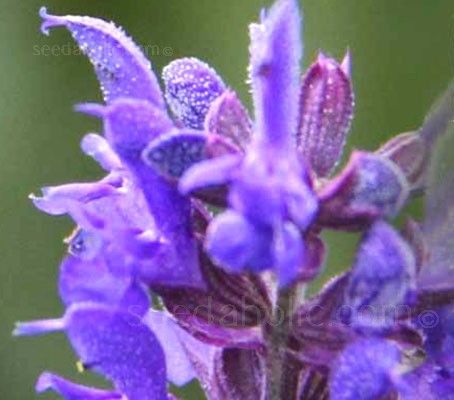
Salvia Sclarea Var. Turkestanica, Clary Sage

Salvia Sclarea Var. Turkestanica, Clary Sage

code: 1030 Description Salvia sclarea var. turkestanica, better known as Clary Sage, has been cultivated in botanical gardens for centuries. Its uses are diverse: from flavoring wines, producing essential oils for perfumes, to use in potpourri and incense. Medicinally, it is traditionally believed to aid digestion, soothe stomach ailments, and even have anti-aging properties. Most

Salvia Sclarea Var. Turkestanica, Clary Sage Read More »

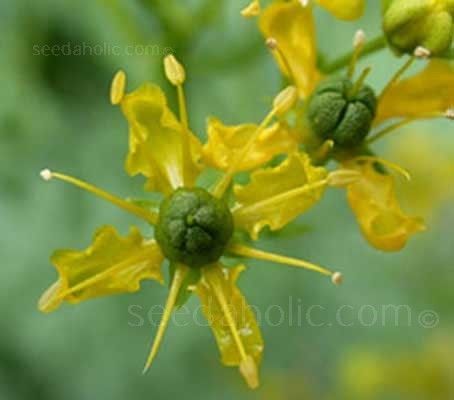
Rue, Ruta Graveolens

Rue, Ruta Graveolens

code: 1029 Description: Ruta graveolens, commonly known as Rue, is a perennial herb renowned for its distinctive bluish-green foliage, aromatic scent, and vibrant yellow flowers. Native to the Mediterranean region, Rue has been utilized for centuries in traditional medicine and ornamental gardening. In recent years, scientific research has unveiled new therapeutic potentials and applications of

Rue, Ruta Graveolens Read More »

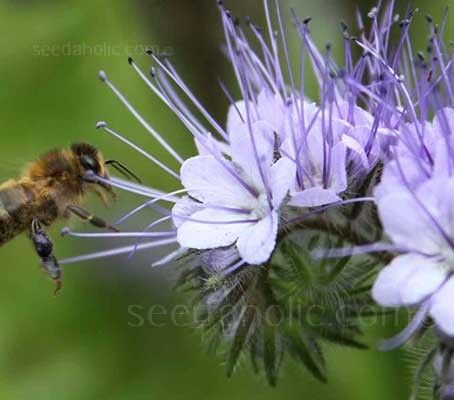
Phacelia Tanacetifolia

Phacelia Tanacetifolia

Code: 1028  Description: Phacelia tanacetifolia, commonly known as Lacy Phacelia or Tansy Phacelia, is a hardy annual plant native to the southwestern United States and northern Mexico. Renowned for its striking lavender-blue flowers and fern-like foliage, it serves multiple ecological and agricultural purposes, including attracting pollinators, improving soil health, and enhancing biodiversity. Botanical Information:  Highly

Phacelia Tanacetifolia Read More »

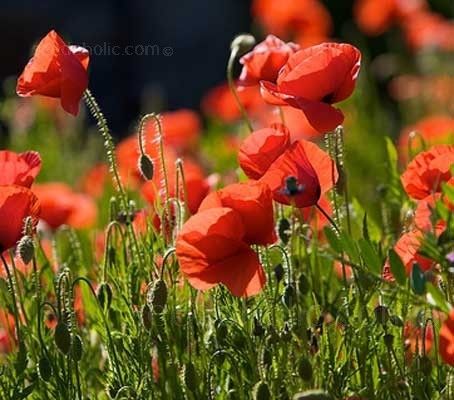
Papaver Rhoeas

Papaver Rhoeas

code: 1026 Description: Papaver rhoeas, commonly known as the Flanders Poppy, Corn Poppy, or Field Poppy, is a striking wildflower celebrated for its vivid scarlet-red petals and black centers. Native to Eurasia and North Africa, this hardy annual thrives in full sun and well-drained soils. It blooms profusely from June to September, attracting a variety

Papaver Rhoeas Read More »

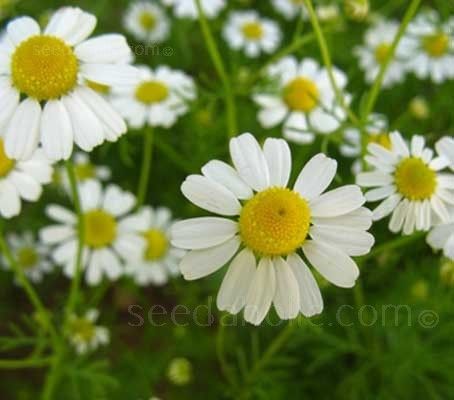
Matricaria Chamomilla, German Chamomile

Matricaria Chamomilla, German Chamomile

code: 1025 Description : Grow Chamomile for Tea, Skincare, and Herbal Healing Chamomile (Chamaemelum nobile / Matricaria recutita) has been one of the most popular herbal plants for centuries. Known for its calming and anti-inflammatory properties, Chamomile is used worldwide in tea, natural skincare, and aromatherapy. Organic Chamomile Seeds are easy to grow and perfect

Matricaria Chamomilla, German Chamomile Read More »

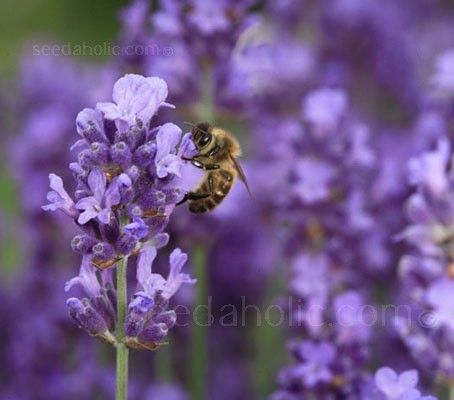
Lavandula Angustifolia 'Lavender Vera'

Lavandula Angustifolia ‘Lavender Vera’

code: 1024 Description: Lavandula angustifolia, also known as True Lavender, Lavender vera, or Fine Lavender, is the most beloved and widely grown English Lavender species. Celebrated for its calming fragrance and medicinal value, this evergreen perennial is a must-have for herb gardens, pollinator-friendly landscapes, and aromatherapy enthusiasts. Why Choose English Lavender? English Lavender is prized

Lavandula Angustifolia ‘Lavender Vera’ Read More »

Hyssop, Blue Hyssop, Hyssopus Officinalis

Hyssop, Blue Hyssop, Hyssopus Officinalis

code: 1023 Description: Hyssop (Hyssopus officinalis) is a fragrant perennial herb known for its vibrant blue flowers, medicinal properties, and culinary versatility. Similar to rosemary and lavender, it adds both beauty and aroma to gardens and is making a strong comeback among organic gardeners and herbal enthusiasts. Why Grow Organic Hyssop? Hyssop is a pollinator-friendly

Hyssop, Blue Hyssop, Hyssopus Officinalis Read More »

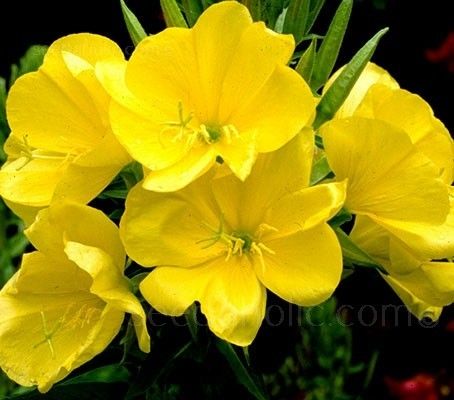
Evening Primrose, Oenothera Biennis

Evening Primrose – Oenothera biennis

code: 1022 Description: Oenothera biennis, commonly known as Evening Primrose, brings a vibrant splash of summer colour to your garden. Blooming begins in June and continues through the season, offering a consistent display of bright yellow flowers until approximately September. Known for its fragrant blossoms opening in the evening, this plant has a unique appeal:

Evening Primrose – Oenothera biennis Read More »

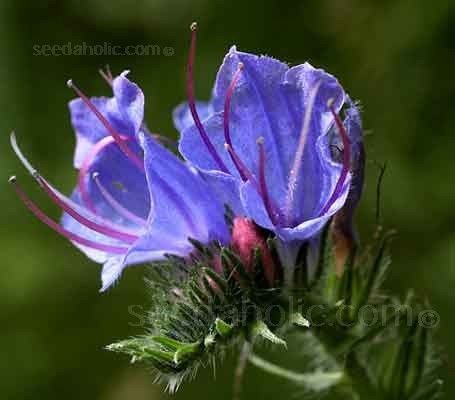
Echium Vulgare 'Vipers Bugloss'

Echium vulgare (Viper’s Bugloss) – Certified Organic Seeds

 Code: 1021 Description: Echium vulgare, commonly known as Viper’s Bugloss, is a striking biennial wildflower that stands out for its vibrant blue blooms, pollinator-friendly nature, and ecological value. Native to Europe and Western Asia, it has naturalized widely across temperate regions, thriving in dry grasslands, meadows, and roadside habitats. This hardy species produces tall spikes

Echium vulgare (Viper’s Bugloss) – Certified Organic Seeds Read More »