Ornamental plants

« Ornamental Plants »

Definition of Ornamental Plants:
Plants grow all over the world in different sizes, shapes and appearance. Some provides us with food, shelter or building materials, while others provide us with only visual delight. Ornamental Plants are also referred to as garden plants has beauty as its main trait. They are usually grown in the flower garden for the display of their flowers.It is a plant primarily grown for its beauty either for screening,accent, specimen, color or aesthetic reasons. Common ornamental features include leaves, scent, fruit, stem and bark.

History of Ornamental Plants:
The history of ornamental gardening started at least 4,000 years of human civilization.Egyptian tomb paintings of the 1500 BC are some of the earliest physical evidence of ornamental horticulture and landscape design.It depicts depict lotus ponds surrounded by symmetrical rows of acacias and palms.
Ornamentals, in horticulture, include both woody and herbaceous plants used primarily as amenities.

Important countries producing and consuming flowers and plants:
1- Netherlands 2- Italy 3- Germany 4- Switzerland 5- Denmark 6- Belgium 7- Sweden 8- Japan 9 – England 10- Australia 11- France 12- Spain 13- USA
As can be seen, the Netherlands ranks first among all countries and the rest of the countries are next.

In terms of consumption position, ornamental flowers are divided into three categories:
Annual Plants:
Ornamental plants used as flowers in the green space. These plants are usually not cold tolerant and have a relatively short life span. Like petunia and sage.

Perennial Plants:
Plants that can grow in the open for more than a year. Such as: chrysanthemums and permanent lilies.

INDOOR PLANTS:
Plants that can be stored only in the limited space of apartments and greenhouses. Like fig leaves and photos.

The effect of flowers and plants on the human psyche:
Research shows that buying flowers, planting flowers and plants, and looking at flowers in general evoke feelings of happiness, peace and freshness, positive thinking, and avoidance of sadness.

The color of the flowers is very important. Flowers with soft colors such as pink, white and purple, lead a person to calm emotions, and flowers with warm and bright colors such as red, yellow and orange, move the human sense to excitement and vitality.

The Canadian Ornamental Plants:
The Canadian Ornamental Plant Foundation was chartered by the federal government in 1964 to promote selection, testing and distribution of better ornamental plant cultivars. The procedures have provided breeders of new cultivars with the means of getting worthwhile new introductions into trade and, thence, to the general public. Much research into the development of cold-hardy plants takes place at Agriculture Canada Research Stations across the country. Successes include a cultivar of Alstroemeria, a member of the amaryllis family, developed at the Saanichton Research and Plant Quarantine Station, BC; Northline (a silver maple), Autumn Blaze (a white ash), Wascana (a hybrid linden) and Baron (a box elder), all developed at the Morden Research Station, Manitoba, for prairie use; and 2 new winter-hardy rose cultivars (Charles Albanel and Champlain), developed at the Ottawa Research Station.

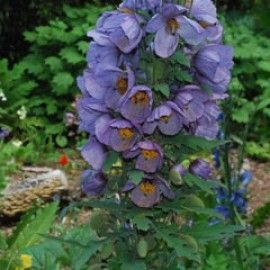
Meconopsis Wilsonii

Meconopsis Wilsonii

code: 958 golden-eyed, blue-purple flowers Family: Papaveraceae Common name: SUBSP. ORIENTALIS Plant Classification: Hardy perennial Hardy biennial Minimum Height: 1.2 meters Maximum Height: 1.5 meters Packet Content(approx.): 20+ Newly-described, this very rare, exciting and unbelievably exquisite flower bears spectacular head of closely-packed, golden-eyed, blue-purple flowers, which open over an extended period in late spring on […]

Meconopsis Wilsonii Read More »

Melianthus Villosus

Melianthus Villosus

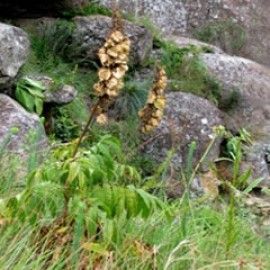
code: 957 The nectar-filled flowers are intricately veined bizarre Family: Melianthaceae Common name: Honey bush Plant Classification: Hardy perennial Minimum Height: 60 cm Maximum Height: 90 cm Packet Content(approx.): 5 large seeds Curious maroon-brown flowers, with chocolate bracts and green stamens, produce unusual inflated fruits above attractive, musky-perfumed deeply-fingered foliage on this very rare plant.

Melianthus Villosus Read More »

Pennisetum Thunbergii 'Red Buttons'

Pennisetum Thunbergii ‘Red Buttons’

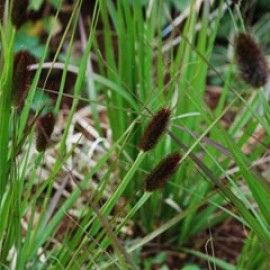
code: 955 Sow at any time, in a well-lit position Family: Poaceae Common name: Fountain Grass ‘Red Buttons’ Plant Classification: Hardy perennial Minimum Height: 38 cm Maximum Height: 50 cm Pennisetum ‘Red Buttons’ or “Fountain Grass” produces deep reddish-black flowers that resemble rabbits’ tails which persist throughout the season, the whole plant forming an attractive

Pennisetum Thunbergii ‘Red Buttons’ Read More »

Sedum Xenox Babies

Sedum Xenox Babies

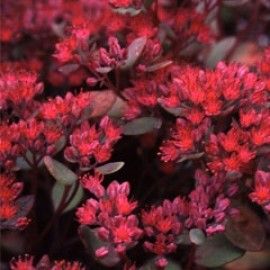
code: 951 Very few good seeds collected from this extreme colour form of this plant Family: Crassulaceae Plant Classification: Hardy perennial Minimum Height: 20 cm Maximum Height: 30 cm Packet Content(approx.): 10+ Smallish leaves with scalloped edges are in attractive shades of green and mauve in spring, then darken to deepest burgundy as the season

Sedum Xenox Babies Read More »

Sedum Rupestre

Sedum Rupestre

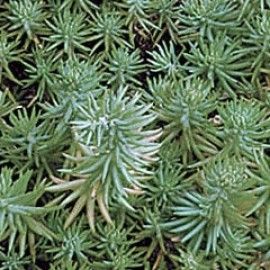
code: 950 ornamental plant is grown in gardens Family: Crassulaceae Common name: Stonecrop, Reflexed Stonecrop, Blue Stonecrop, Jenny’s Stonecrop and Prick-madam Plant Classification: Hardy perennial Minimum Height: 15 cm Maximum Height: 20 cm Sedum reflexum plants have sprawling stems and stiff, quite brittle foliage, resembling spruce branches, with blue-grey to grey succulent leaves, and yellow

Sedum Rupestre Read More »

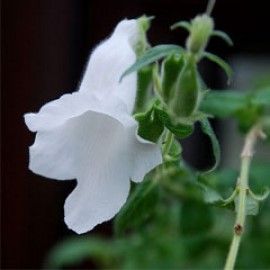
Tacca Integrifolia

Tacca Integrifolia

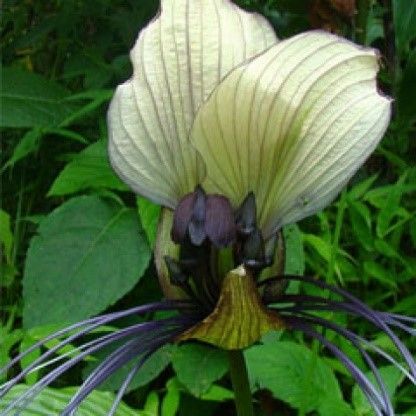
code: 940 one of the most profoundly interesting talking points you will ever grow Family: Taccaceae Common name: Cat’s Head Plant Plant Classification: Greenhouse perennial Minimum Height: 60 cm Maximum Height: 90 cm Packet Content(approx.): 10 Another incredible flowering oddity with large, green veined white flowers, resembling triangular cloaks, sprouting long trailing whiskers from their

Tacca Integrifolia Read More »

Tacca Chantrieri 'Green Isle'

Tacca Chantrieri ‘Green Isle’

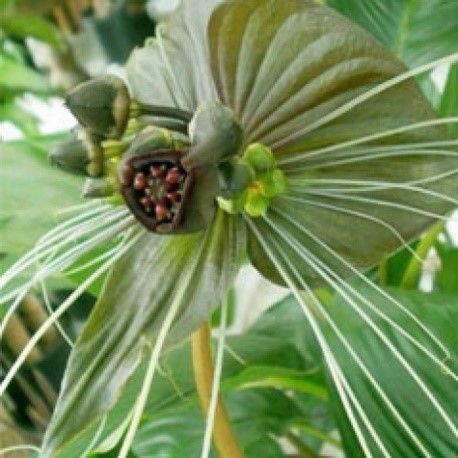
code: 939 The long lasting inflorescence are also good as cut flowers Family: Taccaceae Common name: Green Bat Plant, Devil’s Whiskers. Plant Classification: Greenhouse perennial Minimum Height: 38 cm Maximum Height: 45 cm Packet Content(approx.): 10 An unusual and rarely offered variety that has intriguing dusky green blooms with bat-like, long green tentacles. In colder

Tacca Chantrieri ‘Green Isle’ Read More »

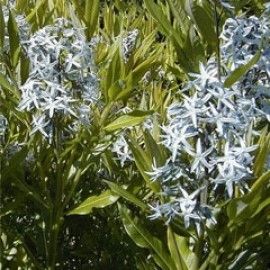
Amsonia Tabernaemontana

Amsonia Tabernaemontana

code: 938 This rarely seen perennial deserves better recognition Family: Apocynaceae Common name: Rhazya, Eastern Bluestar Plant Classification: Hardy perennial Minimum Height: 60 cm Maximum Height: 90 cm Packet Content(approx.): 12 Starry clusters of elegant pale blue starry flowers appear from spring to midsummer. This rarely seen perennial deserves better recognition for its long flowering

Amsonia Tabernaemontana Read More »

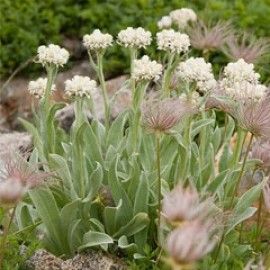
Anaphalis Alpicola

Anaphalis Alpicola

code: 937 Seeds can be sown at any time Family: Asteraceae Common name: Pearly Everlasting, Silver anaphalis, Alpine Everlasting Plant Classification: Hardy perennial Minimum Height: 10 cm Maximum Height: 20 cm Packet Content(approx.): 20+ Clusters of white pom-pom flowers open on short stems which arise from compact clumps of soft felted silvery-grey leaves & stems

Anaphalis Alpicola Read More »

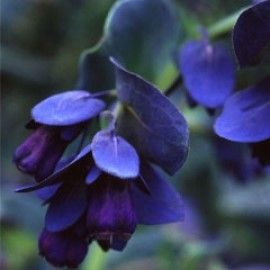
Cerinthe Major Purpurascens

Cerinthe Major Purpurascens

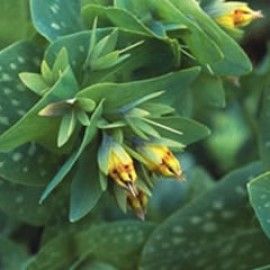
code: 934 This treasure is one of the fastest growing plants available Family: Boraginaceae Common name: “Honeywort” or “Wax-Flower” Plant Classification: Half hardy annual Minimum Height: 45 cm Maximum Height: 60 cm Packet Content(approx.): 10 “Honeywort” or “Wax-Flower”, much loved by bees and flowering throughout spring and summer has deep blue pendulous bracts which are

Cerinthe Major Purpurascens Read More »

Erodium Gruinum

Erodium Gruinum

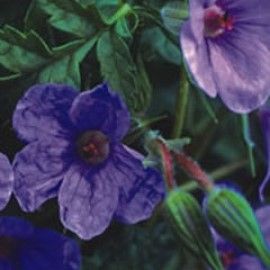
code: 927 Large violet blue flowers are produced all summer Family: Geraniaceae Plant Classification: Hardy biennial Maximum Height: 45 cm A fascinating plant from Sicily. Large violet blue flowers are produced all summer, followed by remarkable, enormous corkscrew seeds which are commercially used for making hygrometers (to measure dampness) – wet one and watch what

Erodium Gruinum Read More »

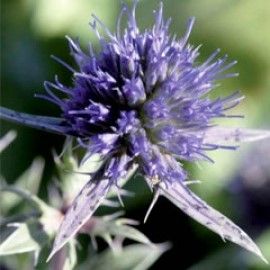
Eryngium Tripartitum

Eryngium Tripartitum

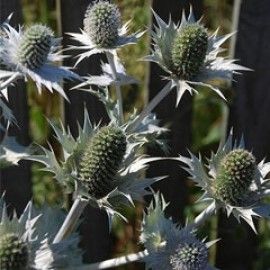
code: 925 It makes long-lasting cut flowers, and can indeed also be dried Family: Apiaceae Common name: Sea Holly Plant Classification: Hardy perennial Minimum Height: 30 cm Maximum Height: 60 cm Erect, much-branched, violet-blue stems, carrying cone-like purple heads surrounded by narrow, dark blue bracts, arise from basal rosette of grey-green leaves on this sun-loving

Eryngium Tripartitum Read More »

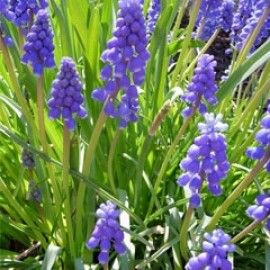
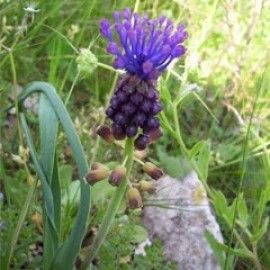
Muscari Comosum

Muscari Comosum

code: 923 The “Tassel Hyacinths”, at 40cm Family: ASPARAGACEAE/LILIACEAE Common name: Tassel Hyacinth, Edible Muscari, Hairy Muscari, Leopoldia comosa Plant Classification: Hardy bulb Minimum Height: 20 cm Maximum Height: 30 cm Packet Content(approx.): 15 Originating in south-east Europe to Turkey and Iran, and described by Polunin as “a striking plant”, these are the most unusual

Muscari Comosum Read More »