Introduction
Landscape design in 2025 has entered an era where aesthetics, sustainability, and technology intersect. Today’s outdoor spaces are no longer just about visual appeal—they are functional, eco-friendly, and smart. Homeowners, urban planners, and businesses are increasingly prioritizing gardens and landscapes that are not only beautiful but also adaptable to changing climates, resource-efficient, and technology-integrated.
The rise of smart garden technology, sustainable landscaping, and modern garden trends has transformed how people interact with outdoor environments. From robotic lawn mowers to vertical gardens and energy-efficient lighting, the possibilities are vast. These innovations are redefining what a garden or landscape can be, blending nature, design, and technology seamlessly.
This comprehensive guide explores the latest landscape design trends for 2025, highlighting innovations that enhance aesthetics, sustainability, and functionality. Whether you are a homeowner looking to upgrade your backyard, a city planner aiming to modernize public spaces, or a landscaping professional, understanding these trends is crucial to creating futuristic and eco-conscious outdoor spaces.
1. Modern Design Trends in Landscape
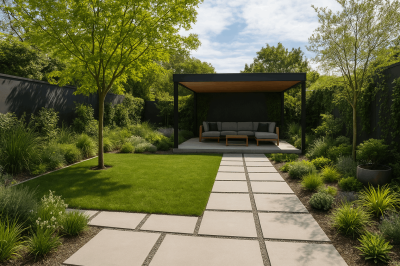
Minimalism continues to dominate modern garden trends, emphasizing clean lines, uncluttered spaces, and harmonious proportions. Contemporary landscapes often feature open lawns, geometric pathways, and carefully curated plant palettes. In 2025, these designs incorporate not just visual simplicity but also interactive elements that respond to human presence or environmental conditions.
Key Features:
Geometric Layouts: Straight lines, sharp angles, and symmetrical patterns for visual balance.
Functional Spaces: Outdoor lounges, dining areas, and activity zones integrated seamlessly with greenery.
Natural Materials: Stone, wood, and sustainable composites create warm, inviting spaces.
Case Studies:
Urban Minimalist Rooftops: Cities like Toronto and New York have adopted rooftop green spaces with minimalist designs and automated irrigation systems.
Smart Patios: Patios featuring sensor-based lighting and retractable shading systems are becoming standard in modern homes.
By merging simplicity with technology, modern landscapes create spaces that are aesthetically pleasing, highly functional, and easy to maintain.
2. Sustainable Landscaping
Sustainability is no longer optional—it is central to 2025 landscape design. Eco-friendly outdoor solutions prioritize water conservation, biodiversity, and energy efficiency. Sustainable landscaping not only benefits the environment but also reduces long-term maintenance costs.
Core Practices:
Native Plantings: Using local flora reduces water usage and supports pollinators.
Rainwater Harvesting: Integrating water storage and smart irrigation systems optimizes water consumption.
Vertical Gardens & Green Roofs: These increase greenery in urban areas, improve air quality, and reduce energy costs.
Recycled and Renewable Materials: Pathways, decks, and furniture made from recycled plastics or sustainably harvested wood.
Examples of Sustainable Projects:
Singapore’s Gardens by the Bay: Vertical gardens with integrated misting systems and renewable energy sources.
Toronto Green Roof Initiatives: Urban spaces combining aesthetic appeal with environmental efficiency.
Sustainability in landscaping is a perfect combination of beauty, function, and environmental stewardship, making outdoor spaces resilient to climate change.
3. Smart Garden Technology
Technology is transforming landscapes from passive spaces to intelligent ecosystems. Smart garden technology includes automated systems, IoT devices, and app-controlled solutions that enhance convenience and efficiency.
Innovations:
Robotic Lawn Mowers: Self-operating machines that maintain lawns with precision.
Smart Irrigation: Sensors measure soil moisture and weather conditions to optimize watering schedules.
LED & Solar Lighting: Adaptive lighting systems reduce energy usage while enhancing nighttime aesthetics.
App-Controlled Garden Management: Apps provide real-time monitoring of plant health, irrigation, and lighting.
Real-World Applications:
Private Residences: Homeowners control irrigation, lighting, and garden monitoring through smartphones.
Corporate Campuses: Smart gardens reduce water and energy costs while creating inviting green spaces.
Smart landscapes are more efficient, reduce human labor, and integrate seamlessly with the modern lifestyle.
4. Innovative Materials and Decorative Trends
Materials and decorative elements are evolving to meet both aesthetic and functional demands. Designers are increasingly using sustainable, durable, and visually striking materials.
Material Innovations:
Recycled Concrete & Composites: Low maintenance and eco-friendly for pathways and patios.
Durable Natural Stones: Resistant to weather changes while providing a premium look.
Outdoor Furniture Innovations: Modular, weatherproof, and ergonomically designed furniture enhances usability.
Design Trends:
Color Palette Trends 2025: Earth tones combined with muted pastels for a harmonious look.
Indoor-Outdoor Fusion: Seamless transition between interior living spaces and outdoor environments.
Art-Integrated Landscaping: Sculptures, water features, and interactive art add character and uniqueness.
By embracing innovative materials and design techniques, landscapes can be both durable and visually captivating.
5. Experiential and Multi-Sensory Gardens (~700 words)
The new wave of landscapes focuses on human experience and interaction. Gardens are designed not just for visual appeal but for engaging all senses.
Key Elements:
Sensory Gardens: Plants selected for fragrance, texture, and sound.
Interactive Features: Walking paths that change texture, water features that respond to touch or motion.
Wellness-Oriented Design: Spaces that reduce stress and promote mental health.
Examples:
Japanese-Inspired Meditation Gardens: Incorporate natural sounds, water features, and tactile pathways.
Children’s Interactive Parks: Combine greenery with playful installations for learning and engagement.
Experiential gardens create lasting emotional connections, enhancing the overall appeal of landscapes.
6. Future Outlook for Landscape Design
The future of landscape design will continue to blend technology, sustainability, and aesthetics. Emerging trends include:
AI-Driven Landscaping Tools: Predict plant growth, soil needs, and optimal layouts.
Climate-Resilient Gardens: Designed for extreme weather conditions.
Community-Centric Green Spaces: Focus on shared urban greenery and wellness.
Landscapes in 2025 and beyond will be smarter, more eco-conscious, and human-centered, ensuring long-term functionality and beauty.
Conclusion
Landscape design in 2025 is at the crossroads of innovation, sustainability, and style. By embracing modern trends, eco-friendly solutions, smart technologies, and experiential spaces, designers and homeowners can create gardens that are both beautiful and functional.
From robotic maintenance and smart irrigation to vertical gardens and innovative materials, the possibilities are endless. Landscapes are no longer passive backdrops; they are living, interactive spaces that respond to environmental conditions and human needs.
Understanding these trends ensures that outdoor spaces remain relevant, efficient, and inspiring for years to come, combining the best of nature and technology.