code: 1025
Description :
Grow Chamomile for Tea, Skincare, and Herbal Healing
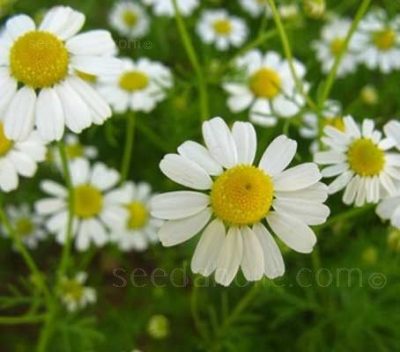
Chamomile (Chamaemelum nobile / Matricaria recutita) has been one of the most popular herbal plants for centuries. Known for its calming and anti-inflammatory properties, Chamomile is used worldwide in tea, natural skincare, and aromatherapy. Organic Chamomile Seeds are easy to grow and perfect for anyone interested in organic gardening, herbal remedies, or pollinator-friendly landscaping.
Why Grow Chamomile?
Chamomile tea is one of the most consumed herbal teas in the world, loved for its gentle sleep-inducing, stress-relieving, and digestive-soothing qualities. The flowers have a sweet scent—like apple or pineapple—and can be used in teas, potpourri, skincare tonics, or even cake and salad decorations.
Chamomile is also valued in natural medicine as a mild anti-inflammatory, antiseptic, and antifungal herb. It supports digestive health, muscle relaxation, and skin healing, making it a must-have for home apothecaries and organic gardeners alike.
Organic Seed Information
These are certified organic chamomile seeds, produced without synthetic chemicals. Harvested from plants grown to recognized organic standards, they are untreated and supplied in their natural, chemical-free state.
How to Grow Chamomile from Seed
Best time to sow: Early spring or autumn.
Soil & location: Full sun and well-drained soil.
Sowing instructions:
- Scatter the tiny seeds on the soil surface—do not cover them, as they need light for germination.
- Keep the soil moist but not waterlogged.
- Germination occurs in 1–2 weeks at 15–20°C (59–68°F).
- Thin seedlings to 20 cm (8 in) apart once established.
Chamomile can also be grown indoors in pots, making it ideal for urban gardening and balcony planters.
Harvesting Chamomile Flowers:
Harvest the flower heads about 8 weeks after sowing, when fully open. Use a chamomile rake or scissors to collect the flowers. Dry them naturally in a shady, airy spot and store in a dark, airtight container for tea or home remedies.
Main Uses & Benefits:
- Chamomile Tea: A soothing drink for sleep, stress, and digestion.
- Herbal Beauty: Used in face steams, hair rinses, and eye compresses for glowing skin and silky hair.
- Natural Remedy: Helps reduce inflammation, allergies, headaches, and insomnia.
- Organic Pest Control: When planted near cabbages, cucumbers, and onions, Chamomile deters harmful insects naturally.
Companion Planting:
Known as the “Plant Doctor”, Chamomile improves the health of neighboring plants by releasing beneficial nutrients like calcium, potassium, and sulfur into the soil. It supports organic vegetable gardens and helps prevent seedling diseases like damping-off.
Origin & Varieties:
- German Chamomile (Matricaria recutita) – annual, used mainly for tea and medicine.
- Roman Chamomile (Chamaemelum nobile) – perennial, also known as English Chamomile or Lawn Chamomile.
Both types offer similar health benefits and a delightful fragrance. German Chamomile has a hollow flower cone, while Roman Chamomile’s is solid—a simple way to tell them apart.
Other related species include:
- Anthemis arvensis – Corn Chamomile
- Anthemis cotula – Stinking Chamomile
- Matricaria discoidea – Wild or Pineapple Weed
- Anthemis tinctoria – Yellow or Dyer’s Chamomile