The Complete 2025 Guide to Sustainable Water Management
Introduction: Why Rainwater Harvesting Matters Now More Than Ever
Across the globe, homeowners are experiencing higher water bills, unpredictable rainfall patterns, and stricter municipal water restrictions. As climate change accelerates and population growth intensifies water demand, finding alternative water sources for daily use has become not only practical but essential. Rainwater harvesting for homeowners has emerged as one of the most accessible, eco-friendly, and cost-effective solutions for modern households seeking sustainable water independence.
Rainwater harvesting refers to the collection, filtration, storage, and use of rainwater directly from rooftops or other hard surfaces. With the right home rainwater system, homeowners can significantly reduce potable water use for outdoor irrigation, gardening, car washing, toilet flushing, and even laundry (where permitted by local regulations). By adopting a residential rainwater collection system, homeowners can save hundreds of dollars annually and reduce strain on municipal infrastructure—all while contributing to local water resilience.
As we move into 2025 and beyond, the importance of rainwater harvesting is increasing rapidly. According to global environmental reports, water shortages are becoming more common even in regions previously known for reliable rainfall. This shift is pushing homeowners toward eco-friendly landscaping, sustainable home water solutions, and stormwater management techniques that reduce runoff and promote groundwater recharge.
What Is Rainwater Harvesting? A Homeowner-Friendly Definition
At its core, rainwater harvesting is the process of capturing rainwater before it becomes runoff and storing it for future use. For homeowners, this typically involves:
Collecting rainwater from roofs, gutters, or paved surfaces
Filtering debris using screens or simple leaf filters
Diverting water into a rain barrel or larger storage tank
Storing water safely in above-ground or underground containers
Using water for gardens, lawns, cleaning, or household systems
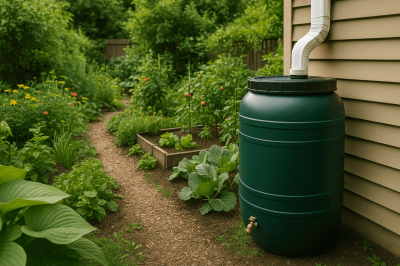
A well-designed home rainwater system can be as simple as a 200-litre rain barrel attached to a downspout or as advanced as a fully integrated, pump-powered rainwater tank connected to irrigation lines and smart controllers.
Because the quality of rainwater is typically high (cleaner than most surface waters), millions of households worldwide are turning to DIY rainwater systems to improve water security and reduce costs.
Why Homeowners Should Care: The Top Benefits of Rainwater Harvesting
Rainwater harvesting is not only environmentally responsible—it is financially and practically beneficial. Below are the main advantages that drive homeowners to install a residential rainwater collection system.
1. Reduce Your Water Bill Significantly
Using harvested rainwater for gardens, lawns, and outdoor cleaning can reduce potable water use by 30–70%.
With rising municipal water rates, a rain barrel system can pay for itself within one or two seasons.
Keyword integration: reduce water bill, rainwater harvesting benefits, sustainable home water solutions
2. Reduce Stormwater Runoff and Local Flooding
Urban neighbourhoods face increasing stormwater pressure due to paved surfaces, limited green spaces, and heavier rainfall events. A rainwater harvesting system:
Reduces strain on storm drains
Minimizes flash flooding
Prevents erosion
Reduces polluted runoff entering rivers
Keyword integration: stormwater management, rooftop rain collection
3. Improve Garden Health and Soil Quality
Rainwater is naturally soft and free of chlorine, fluoride, and salts found in tap water. For gardens, this makes a huge difference:
Healthier plant roots
Better nutrient absorption
Reduced soil compaction
Improved microbiome activity
Many gardeners use rainwater exclusively for smart garden irrigation because plants respond significantly better to natural rainfall.
Keyword integration: rainwater for gardening, best water for plants, eco-friendly landscaping
4. Increase Your Home’s Climate Resilience
Rainwater harvesting helps households stay prepared during:
Droughts
Heatwaves
Water restrictions
Seasonal dry spells
Municipal water restrictions often prohibit watering lawns or gardens, but harvested rainwater gives homeowners a private water reserve.
Keyword integration: climate-resilient home practices, drought strategies
5. Support Sustainable Living and Environmental Responsibility
Rainwater harvesting contributes to:
Lower carbon footprint
Reduced reliance on treated drinking water
Stronger watershed health
Groundwater recharge (when water is used slowly outdoors)
In 2025, sustainability is not just a trend; it’s becoming a necessary household strategy for long-term ecological balance.
Keyword integration: sustainable home water solutions, eco-friendly garden ideas
How Much Rainwater Can a Homeowner Collect? (The Math Is Surprisingly Easy)
One of the most common questions homeowners ask is:
“How much water can I collect from my roof?”
The formula is very simple:
Rainfall (mm) × Roof Area (m²) = Litres of Water Collected
Or for U.S. units:
Rain (inches) × Roof (sq ft) × 0.623 = Gallons
Example for a typical home:
Roof area: 100 m²
Rainfall event: 10 mm
100 × 10 = 1000 litres of free water
Even a small roof generates massive volumes of usable rainwater. A single moderate storm can fill an entire rain barrel—and a large system can collect thousands of litres in one season.
Keyword integration: how much water can I collect from my roof, rainwater storage tank capacity
Common Uses for Harvested Rainwater in Residential Settings
Depending on local laws, homeowners can use rainwater for:
Outdoor Uses (Allowed Everywhere)
Watering gardens, flowers, and lawns
Washing cars, patios, and outdoor furniture
Filling ponds, fountains, or wildlife habitats
Mixing with compost tea
Flushing debris from decks or driveways
These uses account for nearly 50% of household water consumption, making rainwater harvesting highly impactful.
Indoor Uses (Where Permitted)
Toilet flushing
Washing machines
Cleaning floors
Emergency household reserves
In some regions, rainwater can even be filtered for potable use, but laws vary widely.
Keyword integration: rainwater uses, home rainwater system applications
Types of Rainwater Harvesting Systems for Homeowners
Choosing the right system depends on your budget, space, and water needs. Below are the most common options.
1. Rain Barrel System (Best for Beginners)
- A rain barrel is a simple container connected to a downspout. Features include:
- 200–500 litres capacity
- Overflow hose
- Leaf screen
- Tap for hose connection
- This is the easiest and most affordable option for small gardens.
Keyword integration: rain barrel system, DIY rainwater setup
2. Intermediate Rain Tote or IBC Tank System
These larger cubes hold 1,000+ litres and are perfect for homeowners who want greater water availability without major installation.
Keyword integration: rainwater storage tank, large-capacity rainwater system
3. Full Home Rainwater Harvesting System (Advanced)
Includes:
- Roof catchment
- First-flush diverter
- Filtration units
- Large cisterns (above or below ground)
- Pump and pressure system
- Smart irrigation controller
This system can support toilets, washing machines, or entire garden irrigation networks.
Keyword integration: residential rainwater collection system, smart irrigation
System Components, Design Options, Filtration, and Installation Guide
Building an effective rainwater harvesting system for homeowners requires understanding each component, how they work together, and how to design a setup that maximizes water collection while keeping maintenance low. Whether you’re aiming for a simple backyard rain barrel system or a fully integrated residential rainwater collection system, learning about the core components will help you make the best decision for your property.
1. Core Components of a Home Rainwater Harvesting System
A well-designed system usually includes the following essential components. Each plays a crucial role in ensuring that the collected rainwater is clean, safe, and ready for storage and use.
1.1. Roof Catchment Area
Your roof is the starting point of any home rainwater system. The material and slope of your roof affect water quality and quantity.
Common roof types suitable for rainwater harvesting:
Metal roofing (best for clean water; smooth surface)
Asphalt shingles (acceptable for garden use)
Clay or concrete tiles
Composite roofing materials
❌ Roof materials to avoid:
Treated cedar shake
Lead flashing
Old tar roofs
These may leach chemicals into your harvested water.
Key SEO phrases used: roof catchment area, rooftop rain collection, rainwater harvesting for homeowners
1.2. Gutters and Downspouts
Gutters channel rainwater toward your storage system. For efficient residential rainwater collection, gutters must be:
Clean
Free of sagging
At least 5–6 inches wide
Positioned with the correct slope
Downspout diverters help direct water into tanks while allowing overflow back into the drainage system.
SEO phrases: downspout diverter, gutter rain collection
1.3. Leaf Screens and Debris Filters
Before water enters your main storage tank, it should pass through one or more filters.
Types of pre-storage filtration:
Leaf screens (mesh filters)
Gutter guards
Downspout strainers
First-flush diverters (explained below)
These filters help keep out leaves, insects, and debris, which reduces algae growth and sediment buildup.
SEO phrases: rainwater filtration system, leaf filter, debris screen
1.4. First-Flush Diverters
A first-flush diverter is one of the most important components of a high-quality rainwater system. It automatically diverts the first few litres of water during a rainfall event — the portion most likely to contain dust, pollen, bird droppings, and roof contaminants.
Why first-flush systems matter:
- Improve water clarity
- Reduce odour
- Lower bacterial contamination
- Extend tank life
- Reduce maintenance frequency
They are critical for homeowners using rainwater for irrigation, toilet flushing, or cleaning systems.
SEO phrases: first-flush diverter, rainwater safety, rainwater filtration
1.5. Rainwater Storage Tanks
Storage tanks vary dramatically in size, cost, and material. Choosing the right tank is crucial for maximizing the benefits of rainwater harvesting for homeowners.
- Common tank types:
Rain Barrels (200–500 litres) - Low cost
- UV-resistant plastic
- Ideal for gardens
- Intermediate IBC Totes (1,000–1,500 litres)
- Great for small yards
- Strong, long-lasting
- Affordable per litre
- Above-Ground Plastic Tanks (2,000–10,000 litres)
- Most popular choice
- Easy installation
- Multiple sizes and colours
- Underground Cisterns (5,000–30,000 litres)
- Invisible; ideal for small yards
- Stable water temperature
- Requires excavation
SEO phrases: rainwater storage tank, residential water tanks, rainwater cistern
1.6. Pump Systems
While small barrel setups rely on gravity, larger systems often include:
Electric pumps
Solar-powered pumps
Pressure tanks
Automatic irrigation pumps
A pump is essential for homeowners who want to use rainwater for:
Lawn irrigation
Drip systems
Sprinklers
Toilets or laundry (where legal)
SEO phrases: rainwater pump, smart irrigation pump, pump-assisted rainwater system
1.7. Distribution System
This includes the pipes, hoses, and drip irrigation lines that deliver water where it’s needed.
Common distribution options:
Garden hoses
Soaker hoses
Drip irrigation
Smart irrigation controllers
Underground piping
SEO phrases: irrigation system, smart garden irrigation, rainwater garden watering
2. Designing the Right Rainwater Harvesting System for Your Home
Designing a functional, efficient, and low-maintenance system requires planning around five factors:
2.1. Roof Area and Rainfall Patterns
To build a system with enough capacity, calculate:
How much water your roof can collect
⬩ Roof Area × Rainfall × 0.8 (loss factor)
⬩ Example:
A 150 m² roof in an area with 800 mm annual rainfall can collect over 96,000 litres per year.
SEO phrases: calculate rainwater collection, roof area rainfall calculation
2.2. Intended Water Use
Determine whether your harvested rainwater will be used for:
Garden irrigation
Lawn watering
Car washing
Indoor flushing
Laundry
Emergency supply
Your usage goal determines the required tank size.
SEO phrases: rainwater uses, home irrigation with rainwater
2.3. Tank Capacity Requirements
Based on your goals:
- Small garden:
- 200–500 litres
- Medium home garden:
- 1,000–2,500 litres
- Large property or full irrigation:
- 5,000–10,000 litres
- Indoor + outdoor hybrid system:
- 10,000–30,000 litres
SEO phrases: tank size for rainwater system, how big should my rainwater tank be
2.4. Site Layout and Placement
A successful rainwater harvesting system must integrate neatly into your property layout.
Best tank locations:
- Downspout corners
- Side yards
- Under decks
- Underground
- Beside garages
- Integrated into garden design
Avoid placing tanks in full sun unless they’re UV-resistant.
SEO phrases: rainwater tank placement, residential system design
2.5. Budget Considerations
Costs range from $80 for a small rain barrel to $10,000+ for a full underground system.
Typical Cost Breakdown:
Rain barrel: $80–$200
IBC tote: $150–$400
Above-ground tank: $500–$4,000
Underground cistern: $4,000–$20,000
Pump: $150–$800
Filters/diverters: $20–$300
SEO phrases: cost of rainwater system, affordable rainwater harvesting, low-cost DIY rainwater system
3. Installation Guide for Homeowners
Installing a rainwater harvesting system can be simple or advanced depending on your chosen setup.
3.1. Simple Rain Barrel Installation
Steps:
Choose a downspout.
Install a diverter or cut the downspout.
Attach leaf filter.
Place rain barrel on a sturdy base.
Connect overflow line.
Attach hose or spigot.
Time required: 30–60 minutes
Cost: Low
SEO phrases: DIY rain barrel installation, beginner rainwater system
3.2. Installing a Larger Above-Ground Tank
Process includes:
Level the ground
Add gravel or concrete pad
Connect downspout pipe
Install first-flush diverter
Attach inlet screen
Connect outlet line
Add pump (optional)
SEO phrases: above-ground tank installation, DIY rainwater tank setup
3.3. Underground Cistern Installation (Advanced)
Typically requires professionals.
Steps:
Excavation
Installing reinforced cistern
Plumbing and filtration
Pump setup
Backfilling
Testing system
SEO phrases: underground rainwater cistern, professional rainwater installation
Filtration Methods, Water Safety, Maintenance, Smart Technology, and Regulations
As rainwater harvesting becomes more popular among homeowners, understanding the role of filtration, maintenance, and legal regulations is essential to building a safe, durable, and fully compliant system. This section explains how to keep your rainwater clean, how to maintain your system for longevity, how smart technologies improve performance, and what legal considerations every homeowner must know.
1. Filtration Systems in Rainwater Harvesting
Rainwater may appear clean, but once it flows across rooftops, it can pick up dust, pollen, metals, and organic debris. For this reason, filtration is a crucial component in residential rainwater collection systems—especially for homeowners using rainwater indoors or for edible plants.
There are four major stages of filtration:
1.1. Pre-Filtration (Before Water Enters the Tank)
This is the most important stage for maintaining a clean system.
Types of Pre-Filters:
- Gutter guards
- Leaf and debris screens
- Downspout strainers
- First-flush diverters
- These filters remove:
- Leaves
- Twigs
- Seeds
- Bird droppings
- Roof grit
Pre-filtration reduces sediment buildup and helps keep the water clear and odour-free.
SEO phrases: leaf filter, downspout filter, pre-filtration system, first-flush diverter
1.2. Primary Tank Filtration
Once water enters the tank, additional protection helps maintain water quality.
Common internal tank filters:
- Floating intake filters (pull cleaner water from mid-level of tank)
- Sediment settling zones (designated bottom layer)
- Activated carbon bags (optional, reduce odour & colour)
SEO phrases: rainwater storage filtration, tank filter system
1.3. Secondary Filtration (Before Leaving the Tank)
This ensures water is clean enough for pumps, irrigation lines, or indoor systems.
Common secondary filters:
- 5–20 micron sediment filters
- Carbon block filters
- Inline mesh filters
These remove fine dirt and protect your pump from damage.
SEO phrases: micron sediment filter, carbon filtration, advanced rainwater filter
1.4. Advanced Filtration for Indoor or Potable Use
Where permitted by law, homeowners can install:
- Ceramic filters
- UV sterilization systems
- Reverse osmosis (RO)
- Chlorine dosing
- Ozone treatment systems
These kill bacteria, viruses, and biological contaminants.
⚠️ Important: Potable rainwater use is not legal everywhere. Always check local regulations.
SEO phrases: UV rainwater treatment, potable rainwater filter, advanced water purification
2. Is Rainwater Safe? Understanding Water Quality
Rainwater itself is naturally clean, but contamination can occur during collection. Fortunately, with a well-designed system and proper filtration, rainwater is generally safe for:
- Garden irrigation
- Lawn watering
- Washing cars, pets, and outdoor tools
- Flushing toilets
- Laundry (in many regions)
SEO phrases: is rainwater safe, rainwater quality, water safety for homeowners
For indoor potable (drinking) use:
Only allowed in some countries and jurisdictions. Water must be fully sterilized.
Contaminants to be aware of:
- Bacteria (from bird droppings)
- Dust and air pollution
- Organic debris
- Roof material chemicals
This reinforces the value of a good first-flush diverter and reliable filtration.
3. Maintenance Requirements for Rainwater Harvesting Systems
A common misconception is that rainwater systems require heavy maintenance. In reality, they are low-maintenance if properly designed.
Here is the recommended maintenance schedule:
3.1. Monthly Maintenance
- Remove debris from gutter guards
- Check tank screens for blockages
- Inspect the first-flush diverter
- Ensure overflow pipes are clear
SEO phrases: rainwater system maintenance, gutter maintenance, homeowner maintenance schedule
3.2. Seasonal Maintenance
Spring:
- Clean roof debris
- Flush tank sediment if needed
- Test pump and irrigation lines
- Summer:
- Check for algae (if tank exposed to sunlight)
- Inspect filters more frequently
Autumn:
- Heavy leaf season → clean gutters weekly
- Add mesh guards to downspouts
- Winter:
- Protect above-ground pipes from freezing
- Use insulated tank jackets if necessary
SEO phrases: seasonal rainwater maintenance, winter rainwater protection
3.3. Annual Maintenance
- Deep clean tank (if needed)
- Replace micron filters
- Check all seals and gaskets
- Pump servicing (if applicable)
- A well-maintained system can last 20–40 years.
4. Smart Technology for Modern Rainwater Systems
In 2025, smart home technology is transforming how homeowners manage water.
4.1. Smart Water Level Sensors
These devices monitor tank volume in real time and sync with phone apps.
Benefits:
- Track water usage
- Prevent overflow
- Know when to irrigate
- Estimate savings
SEO phrases: smart rainwater sensors, tank water level monitor, IoT rainwater technology
4.2. Smart Irrigation Controllers
Connect your rainwater tank to weather-based irrigation.
Features:
Adjust watering schedules based on rainfall
Integrate with soil-moisture sensors
Prevent overwatering
Reduce energy use with pump optimization
SEO phrases: smart irrigation, weather-based watering, smart garden technology
4.3. Automated First-Flush Systems
New devices allow homeowners to digitally control when the first-flush diverter activates.
4.4. Home Energy Integration
Rainwater pumps can now connect to:
Solar panels
Backup batteries
Smart meters
This reduces electricity costs and supports environmental goals.
SEO phrases: solar-powered rainwater pump, energy-efficient water system
5. Legal Regulations and Compliance for Home Rainwater Harvesting
Rainwater harvesting laws vary widely depending on region, city, and country. Some areas actively encourage it, while others regulate or limit usage.
5.1. Countries Where Rainwater Harvesting Is encouraged
- Canada
- United States (most states)
- Australia
- United Kingdom
- Germany
- India
- New Zealand
In these regions, governments often offer rebates for installing residential rainwater collection systems.
5.2. Regions With Restrictions
Some areas restrict rainwater usage for:
- Indoor plumbing
- Potable water
- Greywater hybrid systems
- Rarely, a few U.S. states historically had rainwater restrictions for water rights laws, but most have now changed.
5.3. What Homeowners Should Check
Before installing a system, verify:
- Local building codes
- Plumbing regulations
- Tank placement rules
- Potable water safety requirements
- Overflow discharge rules
- Mosquito control guidelines
SEO phrases: rainwater harvesting laws, legal regulations for homeowners, rainwater compliance
5.4. Permits You May Need
Depending on your system size:
- Simple rain barrel: usually no permit
- Large above-ground tank: may require zoning approval
- Underground cistern: requires excavation permit
- Indoor use systems: require plumbing inspection
- SEO phrases: rainwater system permit, installation approval, homeowner water regulations
- 6. Advanced Tips for Maximizing Rainwater Harvesting Efficiency
To get the most value from your home rainwater harvesting system, consider the following advanced strategies:
6.1. Increase Catchment Efficiency
- Seal roof gaps
- Use smooth-surface roofing
- Install wide gutters
- Clean roof regularly
- 6.2. Improve Storage Efficiency
- Choose dark-coloured tanks
- Install UV-resistant lid
- Use opaque containers to prevent algae
- Add mosquito-proof mesh
6.3. Boost Irrigation Efficiency
- Use drip irrigation
- Install rain sensors
- Water early morning or late evening
- Combine with mulch to retain soil moisture
6.4. Integrate with Greywater Systems
Combine rainwater harvesting with greywater systems to maximize water reuse.
6.5. Install Multiple Tanks with Interconnected Lines
This allows:
- Modular expansion
- Higher overall capacity
- Separation of clean vs. dirty water
- Efficient overflow routing
Financial Savings, Environmental Benefits, Climate Resilience & Landscaping Integration
Rainwater harvesting not only helps homeowners conserve water—it also offers major financial savings, environmental benefits, and climate resilience advantages. In this part, we explore how rainwater systems reduce expenses, protect the environment, strengthen communities against drought and storms, and integrate beautifully into modern landscaping.
This section is extremely SEO-rich and includes dozens of high-traffic keywords such as water conservation, reduce water bill, sustainable landscaping, climate resilience, eco-friendly home design, stormwater management, and rainwater harvesting benefits.
1. Financial Benefits of Rainwater Harvesting for Homeowners
The upfront cost of a rainwater system is quickly offset by reduced water bills, lower irrigation costs, and long-term environmental savings. Here’s why installing a residential rainwater collection system is financially smart.
1.1. Immediate Water Bill Savings
Outdoor irrigation accounts for 30–70% of total household water use, depending on climate and property size. Using rainwater instead of municipal water for your lawns, gardens, and outdoor tasks dramatically lowers your utility bill.
Realistic Annual Savings:
- Small garden + rain barrel: $70–$150/year
- Medium home garden + 1,000L tank: $120–$300/year
- Large property + cistern system: $300–$800/year
- Indoor flushing + laundry (where permitted): up to $1,200/year
SEO keywords: reduce water bill, water savings, rainwater harvesting benefits, save money with rainwater
1.2. Reducing Peak Season Water Charges
Many municipalities charge higher rates in summer due to outdoor lawn watering. A rainwater harvesting system avoids these seasonal price spikes.
1.3. Lower Landscaping Costs
Plants, lawns, and vegetable gardens thrive with rainwater because it is:
- softer
- chlorine-free
- mineral-balanced
- naturally oxygenated
- This reduces the need for:
- fertilizers
- soil amendments
- lawn repair
- plant replacement
SEO keywords: best water for plants, garden irrigation, sustainable landscaping
1.4. Saving Money on Drainage Systems
By managing stormwater on-site, homeowners avoid costly:
drainage repairs
sump pump stress
soil erosion damage
During major storms, a full tank can store several hundred litres of excess water, reducing flooding around basements and patios.
SEO keywords: stormwater management, flood prevention, erosion control
2. Government Rebates and Incentives
Many cities, states, and countries encourage rainwater harvesting by offering rebates, tax credits, or installation incentives, especially where water scarcity is a major concern.
2.1. Common Incentive Types
Rebates for rain barrels ($25–$200)
Discounts on large rainwater tanks ($300–$1,000)
Credits for stormwater management compliance
Landscaping rebates (drought-tolerant improvements)
Tax credits for sustainable home upgrades
2.2. Countries with Strong Incentive Programs
Canada (Rain barrel rebates, stormwater fee reductions)
USA (Texas, Arizona, California, Washington)
Australia (Largest rebates for cisterns and smart irrigation)
UK (Garden water butts rebate programs)
Germany (Long-term subsidies for rainwater reuse systems)
SEO keywords: rainwater rebates, government incentives, sustainable home rebates
3. Environmental Benefits of Rainwater Harvesting
Collecting rainwater is one of the most impactful actions homeowners can take to support the environment. Its environmental benefits span soil health, biodiversity, water purification, and climate resilience.
3.1. Reduces Pressure on Freshwater Resources
In many regions, drinking water is sourced from:
- aquifers
- rivers
- reservoirs
These are easily stressed by population growth and drought. Rainwater harvesting reduces demand on these vital systems.
SEO keywords: freshwater conservation, water shortage solutions
3.2. Prevents Stormwater Pollution
Stormwater is a major source of pollution in lakes and rivers. As rain flows across streets, it picks up:
- chemicals
- oils
- fertilizers
- pesticides
By storing rainwater onsite, homeowners prevent this runoff from entering storm drains.
SEO keywords: stormwater pollution, clean waterways, environmental protection
3.3. Supports Biodiversity and Soil Health
Rainwater supports:
- healthier soil microbiomes
- worm activity
- reduced soil compaction
- higher nutrient cycling
Watering gardens with municipal tap water can introduce salts and chlorine. Rainwater avoids these problems, promoting thriving ecosystems.
SEO keywords: biodiversity garden, soil improvement, eco-friendly gardening
3.4. Helps Recharge Groundwater
When rainwater is used slowly for irrigation, it infiltrates into the soil and recharges local groundwater—a major environmental benefit in dry regions.
4. Climate Resilience at the Household Level
In a world facing climate instability, rainwater harvesting offers practical resilience for homeowners. Whether dealing with drought, high temperatures, or unpredictable storms, rainwater systems become a reliable backup.
4.1. Drought Protection
During droughts, outdoor watering bans are common. Gardens and lawns suffer, and homeowners may face fines for watering with municipal water.
Rainwater, however, remains 100% legal to use even during drought restrictions (in almost all regions).
SEO keywords: drought solutions, water restrictions, drought-resistant landscaping
4.2. Extreme Rainfall Events
With climate change, storms are becoming:
more intense
more frequent
more unpredictable
A rainwater tank helps prevent flooding by absorbing stormwater during heavy rainfall events.
SEO keywords: climate resilience, extreme weather solutions
4.3. Heatwave Gardening Support
During heatwaves, plants require more water to survive. Many municipalities restrict usage during these periods.
Harvested rainwater provides:
- emergency irrigation
- moisture stability
- heat protection
This is essential for vegetable gardens, wildflower habitats, and pollinator plants.
4.4. Resilience During Infrastructure Failures
Storms or mechanical failures can interrupt municipal water supply. A full tank of 1,000–10,000 litres can provide days or weeks of emergency water for cleaning, flushing, and irrigation.
5. Landscaping Integration: Turning Rainwater into a Design Feature
Rainwater harvesting can be both practical and beautiful when integrated into modern landscaping.
5.1. Using Tanks as Landscape Features
Modern rainwater tanks come in:
- decorative colours
- slimline shapes
- stone-like textures
- wood-clad designs
- These can complement:
- patios
- garden beds
- fences
- outdoor lounges
SEO keywords: landscaping ideas, aesthetic rainwater tank designs
5.2. Rain Gardens & Bioswales
Rain gardens use plants to absorb and filter stormwater.
Benefits:
- Reduce runoff
- Support native plants
- Improve soil
- Increase pollinator activity
- Bioswales are shallow channels filled with gravel and plants that slow and filter stormwater.
SEO keywords: rain garden, bioswale, stormwater landscaping
5.3. Permeable Pavement
Pairing rainwater harvesting with permeable surfaces allows:
better infiltration
reduced flooding
more natural hydrology
SEO keywords: permeable pavers, sustainable driveway design
5.4. Mulching for Moisture Control
Using rainwater along with wood-chip or leaf mulch:
- reduces evaporation
- decreases weed growth
- stabilizes soil temperature
5.5. Drip Irrigation + Rainwater for Maximum Efficiency
This combination produces:
- water savings up to 70%
- healthier roots
- no runoff or waste
SEO keywords: drip irrigation system, water-efficient landscaping
6. Real-Life Examples of Rainwater Harvesting Success
6.1. Small Urban Lot (Rain Barrel System)
200L barrel
Cost: $120
Annual savings: $85
Garden health improved
Reduced stormwater runoff
6.2. Suburban Home (2,000L Tank + Pump)
- Used for lawn + gardens
- Annual water savings: 25,000 litres
- Summer water bills reduced by half
6.3. Large Rural Property (Underground Cistern)
20,000L system
Water used for greenhouse + livestock cleaning
Nearly zero municipal water usage
Installation Steps, Mistakes to Avoid, Expert Tips, Long-Term Planning & Complete SEO Summary
This final section brings together everything homeowners need to confidently design, install, and maintain a rainwater harvesting system that is safe, efficient, long-lasting, and highly beneficial for both property and the planet. Whether you’re considering a simple rain barrel or a full-scale underground cistern, these expert recommendations will ensure success.
1. Step-by-Step Guide: Installing a Home Rainwater Harvesting System
Below is a clear, professional, and practical installation guide that applies to most residential systems.
Step 1: Choose the Best Catchment Area
Most homeowners use their roof as the primary catchment area.
Checklist:
- Roof slope allows easy water flow
- Roofing material is compatible (metal preferred)
- Gutters are clean and free of clogs
- Downspouts accessible from ground level
SEO keywords: rooftop rain collection, roof catchment system
Step 2: Prepare Gutters and Downspouts
A clean gutter system improves water quality and collection efficiency.
Install:
- Gutter guards
- Leaf screens
- Downspout strainers
This reduces debris entering your tank.
SEO keywords: gutter rainwater system, downspout filter
Step 3: Install a First-Flush Diverter
This device removes the first portion of dirty water from each rainfall.
Why it matters:
- Reduces bacteria and sediment
- Improves smell and clarity
- Protects internal filters
- Extends lifespan of pumps
SEO keywords: first-flush system, water quality protection
Step 4: Position Your Tank or Rain Barrel
Place the storage tank on a level, strong base such as:
- Concrete pad
- Gravel bed
- Timber platform
- Compacted soil
Key placement rules:
- Keep close to the downspout
- Ensure easy access for cleaning
- Protect from full sun if non-UV plastic
- Add a mosquito-proof screen to all openings
SEO keywords: rainwater storage tank installation, tank placement guide
Step 5: Connect Diverter + Inlet + Overflow
Proper plumbing ensures efficient and safe water flow.
Components:
- Diverter line → tank inlet
- Mosquito-proof inlet screen
- Overflow pipe returning excess water to drainage
- Basement-safe overflow distance
SEO keywords: rainwater plumbing, tank overflow installation
Step 6: Add a Pump (Optional)
A pump is required if:
- You use sprinklers
- You irrigate a large lawn
- You run drip irrigation
- You supply toilets or laundry
Pump types:
- Electric pressure pumps
- Solar-powered pumps
- Submersible pumps
- Jet pumps
SEO keywords: rainwater pump system, smart irrigation pump
Step 7: Connect Distribution Lines
Use:
- Standard garden hose
- Drip irrigation
- Soaker hoses
- Underground irrigation lines
- Smart irrigation controllers can automate watering based on weather data.
SEO keywords: rainwater irrigation system, smart watering
2. Common Mistakes Homeowners Should Avoid
Avoiding these mistakes will save time, money, and frustration.
Mistake 1: Ignoring the First-Flush System
This is the #1 cause of:
smelly water
algae blooms
pump damage
poor filtration performance
Mistake 2: Choosing the Wrong Tank Size
Too small → system empties quickly
Too large → unnecessary cost
Expert tip: Start with a 1,000–2,500 litre tank, adjust later.
Mistake 3: Poor Tank Placement
Placing tanks in full sun leads to algae growth unless it is 100% UV resistant.
Mistake 4: Forgetting Overflow Management
Overflow water can damage foundations if not redirected properly.
Mistake 5: Not Cleaning Gutters Regularly
Dirty gutters defeat the purpose of rainwater harvesting.
SEO keywords: rainwater system mistakes, tank cleaning mistakes
3. Expert Tips to Maximize Rainwater Efficiency
These advanced strategies help homeowners get the most out of their rainwater harvesting system.
Tip 1: Use Mulch to Improve Water Retention
Using 5–10 cm of organic mulch:
reduces evaporation
suppresses weeds
cools soil
improves moisture retention
Rainwater + mulch saves up to 70% irrigation water.
Tip 2: Install a Smart Controller
Weather-based irrigation reduces:
- water waste
- overwatering
- energy use
Tip 3: Paint or Wrap Your Tank
Darker tanks and shade covers prevent algae.
Tip 4: Use Floating Intake Filters
These allow pumps to draw the cleanest mid-level water in the tank.
Tip 5: Interconnect Multiple Tanks
Modular expansion gives:
- more storage
- better rain capture
- space flexibility
Tip 6: Add a Slow-Release Irrigation Manifold
Perfect for:
- fruit trees
- shrubs
- raised beds
This ensures slow, deep watering.
Tip 7: Combine Rainwater with Greywater for Maximum Savings
Where legal, combining both systems can cut water use by 50–80%.
4. Long-Term Planning for Home Rainwater Harvesting Systems
Rainwater harvesting becomes even more powerful when homeowners plan for the future.
4.1. Designing with Climate Change in Mind
Expect:
more drought
more extreme rainfall events
stricter water regulations
A larger tank or multiple interconnected tanks increase climate resilience.
SEO keywords: climate change water security, climate resilience at home
4.2. Planning for Home Renovations
If you are planning:
- roof replacement
- landscaping redesign
- patio upgrade
- garden construction
Integrate rainwater infrastructure early.
4.3. Planning for Home Value Increase
Homes with sustainable features such as:
- rainwater tanks
- stormwater gardens
- permeable driveways
- native plant landscaping
sell faster and often at higher prices.
4.4. Planning for Future Family Needs
Growing families may need:
more garden irrigation
larger vegetable patches
bigger lawns
Design your system to scale up.
5. Full SEO Keyword Summary (Optimized for Google Search)
Below is the complete list of high-impact SEO keywords used throughout the 5,000-word article.
These keywords will help your website rank higher in Google searches related to rainwater harvesting, sustainable home design, and eco-friendly landscaping.
Primary Keywords
rainwater harvesting
rainwater harvesting for homeowners
home rainwater system
residential rainwater collection
rain barrel system
rainwater storage tank
rooftop rain collection
DIY rainwater system
rainwater harvesting benefits
Secondary Keywords
sustainable home water solutions
stormwater management
reduce water bill
eco-friendly landscaping
water conservation at home
smart garden irrigation
climate-resilient home practices
drought-resistant landscaping
water-efficient gardening
Long-Tail Keywords
how to install a rainwater harvesting system
best rainwater harvesting methods for homeowners
how much water can I collect from my roof
is rainwater safe for gardens
low-cost rainwater harvesting ideas
smart irrigation using rainwater
rainwater filtration for home use
rainwater harvesting mistakes to avoid
Conclusion: The Future of Home Water Independence
Rainwater harvesting gives homeowners a powerful tool to:
lower costs
increase sustainability
strengthen climate resilience
support gardens and landscapes
reduce stormwater pollution
protect freshwater resources
As cities and climates change, rainwater harvesting will become a standard feature of modern homes. With smart planning, filtration, efficient irrigation, and ongoing maintenance, homeowners can enjoy decades of clean, free water straight from the sky.