code: 1029
Description:
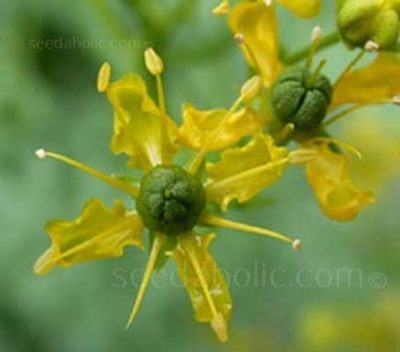
Ruta graveolens, commonly known as Rue, is a perennial herb renowned for its distinctive bluish-green foliage, aromatic scent, and vibrant yellow flowers. Native to the Mediterranean region, Rue has been utilized for centuries in traditional medicine and ornamental gardening. In recent years, scientific research has unveiled new therapeutic potentials and applications of this resilient plant.
Botanical Overview
- Scientific Name: Ruta graveolens
- Common Names: Rue, Common Rue, Herb of Grace
- Family: Rutaceae (Citrus Family)
- Plant Type: Evergreen Perennial
- Height & Spread: 45–60 cm (18–24 in) tall × 20–30 cm (8–12 in) wide
- Flowers: Small, yellow, cup-shaped blooms in early summer
- Foliage: Grey-green, feathery, and aromatic
Rue’s compact, mounding shape makes it perfect for knot gardens, herb borders, and rock gardens. It thrives in full sun or partial shade and tolerates poor or dry soils, making it a favorite among low-maintenance gardeners.
Growing and Care Guide
Sowing Instructions:
- Best Time to Sow: Late winter to early spring, or late summer to autumn
- How to Sow: Surface sow seeds (1.5mm deep) in seed trays; do not cover, as Rue seeds need light to germinate.
- Germination: 5–21 days at 20°C (68°F)
- Transplanting: Move seedlings outdoors after frost; space 30 cm (12 in) apart.
Growing Conditions:
- unlight: Full sun preferred
- Soil: Well-drained, fertile soil
- Watering: Water regularly until mature; once established, Rue is drought-resistant.
- Pruning: Trim after flowering to promote bushy growth and prevent self-seeding.
Maintenance Tips:
- Protect from excessive moisture; Rue dislikes waterlogged soil.
- Mulch in winter for cold protection.
- Wear gloves when pruning — Rue’s oils can cause skin sensitivity in sunlight.
Uses and Benefits
Culinary Uses:
Rue’s aromatic leaves are occasionally used in Mediterranean, Ethiopian, and ancient Roman cuisines. A tiny amount adds a bold, slightly bitter note similar to blue cheese. It’s ideal for flavoring sauces, pickles, and liqueurs like grappa con ruta.
Medicinal Uses:
Historically, Rue was used as an antispasmodic, antiseptic, and anti-inflammatory herb. Recent studies have highlighted its potential in treating various ailments:
- Neuroprotective Properties: Research indicates that compounds in Rue, such as rutin, may promote neuroprotection and neural plasticity, offering potential therapeutic benefits for neurodegenerative diseases
PubMed. - Antimicrobial Effects: Ethanolic and methanolic extracts of Rue have demonstrated antimicrobial activity against pathogens like Staphylococcus aureus and Pseudomonas aeruginosa, suggesting its potential in treating infections
ScienceDirect. - Cancer Research: Ethyl acetate extracts from Rue leaves have shown promise in treating drug-resistant lung cancer by targeting specific mutations, indicating its potential role in cancer therapy
Frontiers.
However, due to its strong chemical compounds, it should be used with caution and never by pregnant women.
Garden Benefits & Companion Planting:
- Repels: Fleas, mosquitoes, and Japanese beetles
- Attracts: Butterflies (especially the Black Swallowtail)
- Good Companions: Roses, strawberries, figs, raspberries
- Avoid Planting Near: Cabbage, basil, mint, or sage
Rue also makes a natural pet deterrent — cats and dogs dislike its scent. A Rue leaf tea can be used as a spray to keep them away from garden borders.
Historical & Cultural Significance:
Known as the “Herb of Grace,” Rue was believed to ward off evil spirits and witches in ancient folklore. It was hung above doors and windows for protection and even carried as a charm.
Safety Warning:
Rue’s sap contains furanocoumarins, which may cause skin irritation when exposed to sunlight. Always wear gloves when handling. Avoid ingestion in large doses. Exposure to Rue or herbal preparations derived from it can cause severe phytophotodermatitis, resulting in burn-like blisters on the skin.
Origin and Distribution:
Native to the Mediterranean region and the Balkans, Ruta graveolens now grows worldwide in temperate zones. It’s a staple in South American gardens, where it symbolizes protection and good fortune.
Nomenclature:
- Genus: Ruta (Latin for “bitter” or “orange-yellow,” referencing its flower color)
- Species: graveolens (Latin for “strong-smelling”)
Together, they describe a plant both visually striking and powerfully aromatic — a true classic in the world of herbs.