Ornamental plants

« Ornamental Plants »

Definition of Ornamental Plants:
Plants grow all over the world in different sizes, shapes and appearance. Some provides us with food, shelter or building materials, while others provide us with only visual delight. Ornamental Plants are also referred to as garden plants has beauty as its main trait. They are usually grown in the flower garden for the display of their flowers.It is a plant primarily grown for its beauty either for screening,accent, specimen, color or aesthetic reasons. Common ornamental features include leaves, scent, fruit, stem and bark.

History of Ornamental Plants:
The history of ornamental gardening started at least 4,000 years of human civilization.Egyptian tomb paintings of the 1500 BC are some of the earliest physical evidence of ornamental horticulture and landscape design.It depicts depict lotus ponds surrounded by symmetrical rows of acacias and palms.
Ornamentals, in horticulture, include both woody and herbaceous plants used primarily as amenities.

Important countries producing and consuming flowers and plants:
1- Netherlands 2- Italy 3- Germany 4- Switzerland 5- Denmark 6- Belgium 7- Sweden 8- Japan 9 – England 10- Australia 11- France 12- Spain 13- USA
As can be seen, the Netherlands ranks first among all countries and the rest of the countries are next.

In terms of consumption position, ornamental flowers are divided into three categories:
Annual Plants:
Ornamental plants used as flowers in the green space. These plants are usually not cold tolerant and have a relatively short life span. Like petunia and sage.

Perennial Plants:
Plants that can grow in the open for more than a year. Such as: chrysanthemums and permanent lilies.

INDOOR PLANTS:
Plants that can be stored only in the limited space of apartments and greenhouses. Like fig leaves and photos.

The effect of flowers and plants on the human psyche:
Research shows that buying flowers, planting flowers and plants, and looking at flowers in general evoke feelings of happiness, peace and freshness, positive thinking, and avoidance of sadness.

The color of the flowers is very important. Flowers with soft colors such as pink, white and purple, lead a person to calm emotions, and flowers with warm and bright colors such as red, yellow and orange, move the human sense to excitement and vitality.

The Canadian Ornamental Plants:
The Canadian Ornamental Plant Foundation was chartered by the federal government in 1964 to promote selection, testing and distribution of better ornamental plant cultivars. The procedures have provided breeders of new cultivars with the means of getting worthwhile new introductions into trade and, thence, to the general public. Much research into the development of cold-hardy plants takes place at Agriculture Canada Research Stations across the country. Successes include a cultivar of Alstroemeria, a member of the amaryllis family, developed at the Saanichton Research and Plant Quarantine Station, BC; Northline (a silver maple), Autumn Blaze (a white ash), Wascana (a hybrid linden) and Baron (a box elder), all developed at the Morden Research Station, Manitoba, for prairie use; and 2 new winter-hardy rose cultivars (Charles Albanel and Champlain), developed at the Ottawa Research Station.

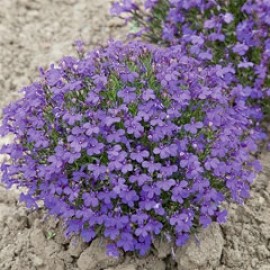
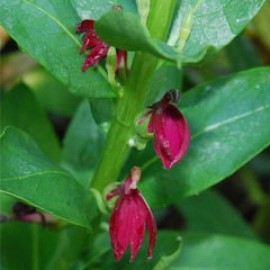
Lobelia Polyphylla

Lobelia Polyphylla

code: 761 It will do well in any rich Family: Campanulaceae Common name: Tupa del Littoral, Tobaco del Diablo Plant Classification: Hardy perennial Minimum Height: 60 cm Maximum Height: 90 cm A new and rare Chilean introduction growing many stems which carry delightful and utmostly showy, burgundy-red, wine-coloured flowers in late spring. This semi-woody perennial

Lobelia Polyphylla Read More »

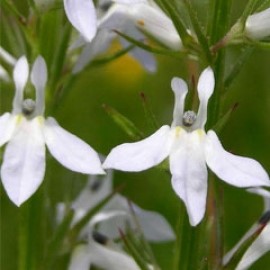
Lobelia Spicata

Lobelia Spicata

code: 760 It will thrive in sandy soils Family: Campanulaceae Common name: Pale-spike Lobelia Plant Classification: Hardy perennial Minimum Height: 30 cm Maximum Height: 60 cm This unusual American native displays spike-like racemes of white to pale blue tubular flowers over a long valuable period in that late summer gap. It will thrive in sandy

Lobelia Spicata Read More »

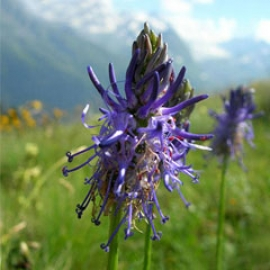
Phyteuma Hemisphaerica

Phyteuma Hemisphaerica

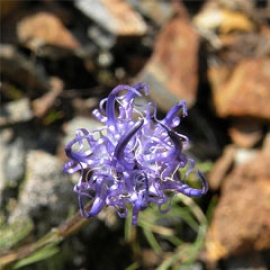
code: 756 tidy little herbaceous alpine is perfect for the rock garden or scree Family: Campanulaceae Common name: Rampion Plant Classification: Hardy perennial Minimum Height: 15 cm Maximum Height: 22 cm Spiky, violet-blue pom-pom flowers open with curious, shiny-blue claws protruding from them. The lanceolate, deep green leaves unfurl in early spring forming a neat

Phyteuma Hemisphaerica Read More »

Platycodon Grandiflorus

Platycodon Grandiflorus

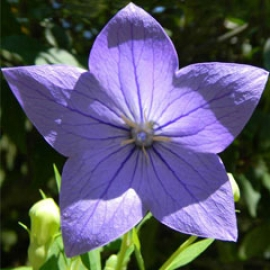
code: 752 germination can sometimes be quicker if kept at 15 to 20 degrees C Family: Campanulaceae Common name: Japanese bellflower, common balloon flower, balloon flower. Campanula persicifolia grandiflora, Peach Leaf bellflower, Chinese Balloon Plant Classification: Hardy perennial Minimum Height: 30 cm Maximum Height: 40 cm These popular relatives to the bell-flowers form a mound

Platycodon Grandiflorus Read More »

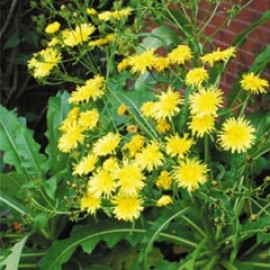
Sisymbrium Luteum

Sisymbrium Luteum

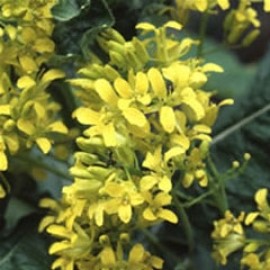
code: 751 A back-of-border ‘mystery plant’ Family: Cruciferae Plant Classification: Hardy perennial Minimum Height: 1.2 meters Maximum Height: 1.5 meters A spectacularly tall member of the wallflower flower from the Himalayas with bunches of countless, fragrant, bright yellow flowers on tall, branching, cane-like stems of shiny leaves throughout spring and summer. A back-of-border ‘mystery plant’.

Sisymbrium Luteum Read More »

Sisyrinchium Bellum Album

Sisyrinchium Bellum Album

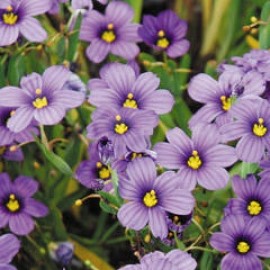
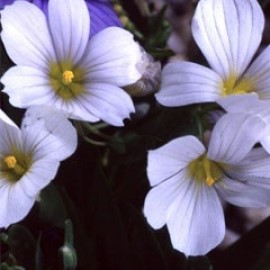
code: 749 One of the smaller sisyrinchiums Family: Irdaceae Common name: White-eyed Grass Plant Classification: Hardy perennial Maximum Height: 15 cm Packet Content(approx.): 25 One of the smaller sisyrinchiums with short stems holding sprays of golden-eyed,pure white starry flowers. These plants may gently self-seed but very rarely become a nuisance! Sowing advice: Seeds can be

Sisyrinchium Bellum Album Read More »

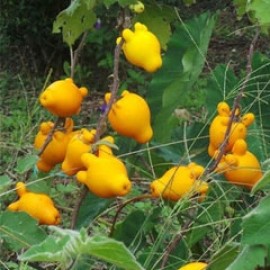
Solanum Mammosum

Solanum Mammosum

code: 746 A truly amazing-looking plant producing positively inedible Family: Solanaceae Common name: Nipple Fruit, Sodom’s Apple, Titty Fruit, Cow’s Udder, Super Duper Titty Fruit, Fox Face, Five Fingered Eggplant Plant Classification: Greenhouse perennial Minimum Height: 1.0 meter Maximum Height: 2.0 meters Packet Content(approx.): 8 A truly amazing-looking plant producing positively inedible, ornamental fruits which

Solanum Mammosum Read More »

Sonchus Arboreus

Sonchus Arboreus

code: 744 sow seeds immediately onto a good soil-based compost Family: Compositae Plant Classification: Half hardy perennial Minimum Height: 60 cm Maximum Height: 90 cm This rare and amazing giant tree-daisy comes from the high mountains of Madeira where it makes thick trunks. Huge rosettes of serrated leaves grow on the end of stout branches,

Sonchus Arboreus Read More »

Arabis Soyeri

Arabis Soyeri

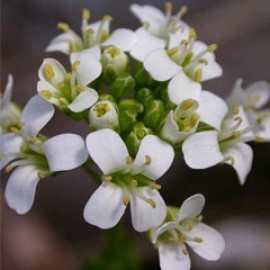
code: 741 It does best in poor soil or perhaps even on or in a dry wall Family: Cruciferae Common name: Arabis Jacquinii, Rock Cress Minimum Height: 15 cm Maximum Height: 20 cm Originally found high in the Pyrenees , the Alps and the Western Carpathians, this atractive and rather rare high alpine bears shiny,

Arabis Soyeri Read More »

Arisaema Consanguineum

Arisaema Consanguineum

code: 739 A long-lived attractive tuberous plant with striking Family: Araceae Common name: Himalayan Cobra Lily, Tian Nan Xing Plant Classification: Hardy perennial Minimum Height: 30 cm Maximum Height: 45 cm Packet Content(approx.): 10 A long-lived attractive tuberous plant with striking, cobra head-like flowers amidst long-stemmed deeply divided leaves. Later appear the large heads of

Arisaema Consanguineum Read More »

Argemone Ochroleuca

Argemone Ochroleuca

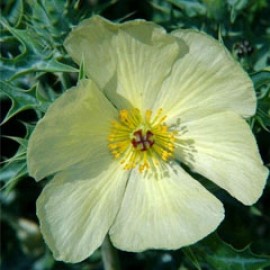
code: 738 The large, showy flowers can vary from pale peach to yellow Family: Papaveraceae Common name: Mexican Poppy, Devil’s Fig, Golden Thistle of Peru, Biniguy Thistle, Mexican Prickle Poppy Plant Classification: Half hardy annual Minimum Height: 60 cm Maximum Height: 1.2 meters Leafy stems grow most attractively variegated, prickly lobed leaves. The large, showy

Argemone Ochroleuca Read More »