Author name: takpc

Boysenberry

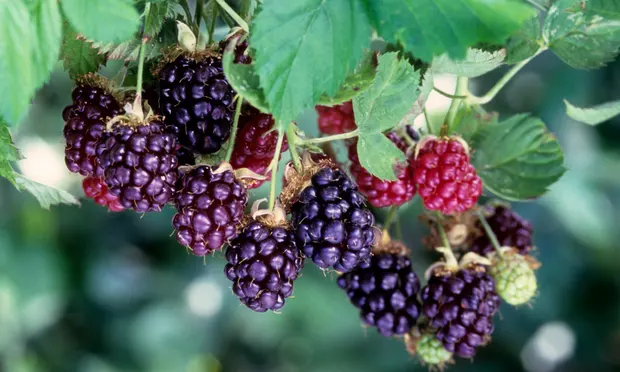
History of the Boysenberry The Boysenberry (Rubus ursinus var loganobaccus cv Boysenberry) is a Rubus hybrid berry and believed to have arisen from a cross between Loganberries, Raspberries and Blackberries in the 1920s in California. However the following story – one of determination and some good luck – is generally accepted as the true story […]
Boysenberry Read More »

White Currants

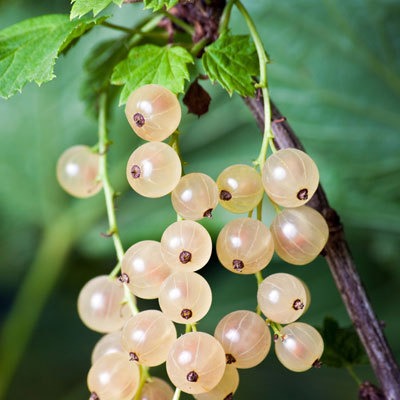
The white currant or whitecurrant is a group of cultivars of the red currant (Ribes rubrum), a species of flowering plant in the family Grossulariaceae, native to Europe. It is a deciduous shrub growing to 1 m (3 ft) tall and broad, with palmate leaves, and masses of spherical, edible fruit (berries) in summer. The white currant

White Currants Read More »

Sea-buckthorn

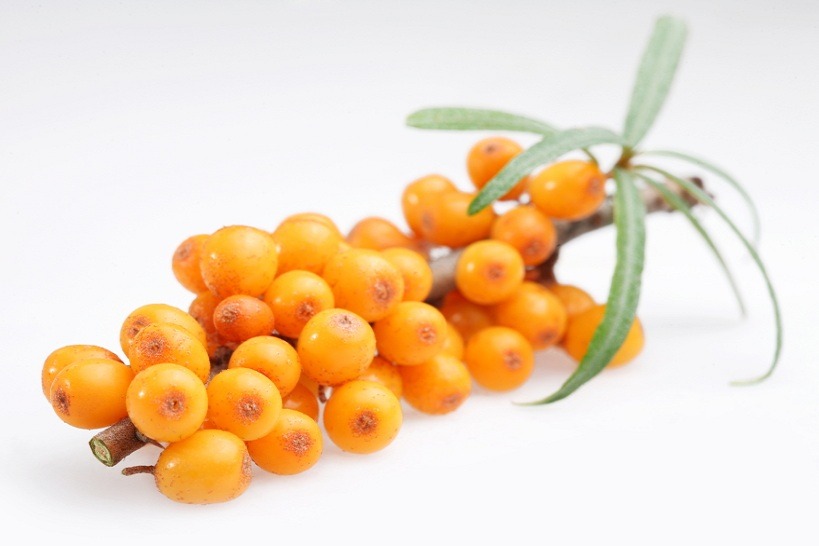
Overview Sea buckthorn (Hippophae rhamnoides) is a plant found throughout Europe and Asia. The leaves, flowers, seeds, and fruits are used as medicine. Sea buckthorn contains vitamins A, B1, B2, B6, and C, as well as other active ingredients. It’s been used traditionally to slow down the aging process. People use sea buckthorn for burns,

Sea-buckthorn Read More »

Elderberry

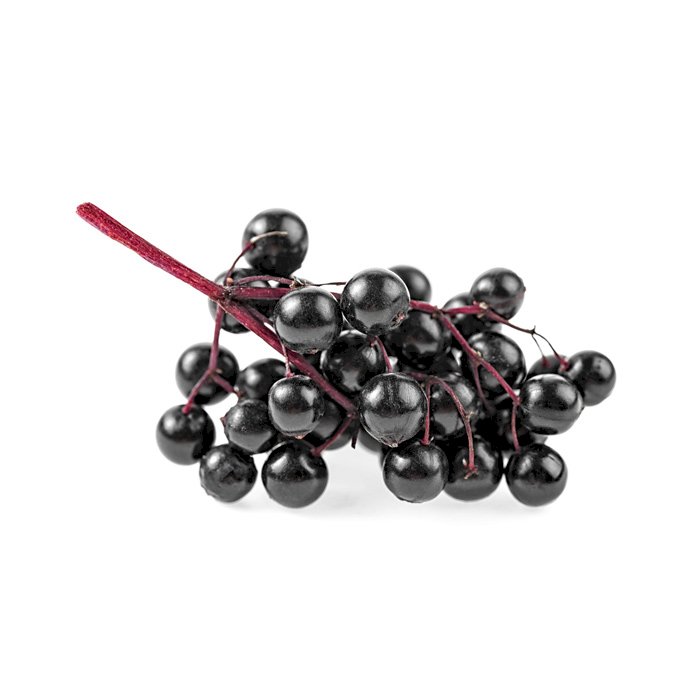
Sambucus is a genus of flowering plants in the family Adoxaceae. The various species are commonly called elder or elderberry. The genus was formerly placed in the honeysuckle family, Caprifoliaceae, but was reclassified as Adoxaceae due to genetic and morphological comparisons to plants in the genus Adoxa. Description The oppositely arranged leaves are pinnate with

Elderberry Read More »

Gooseberry

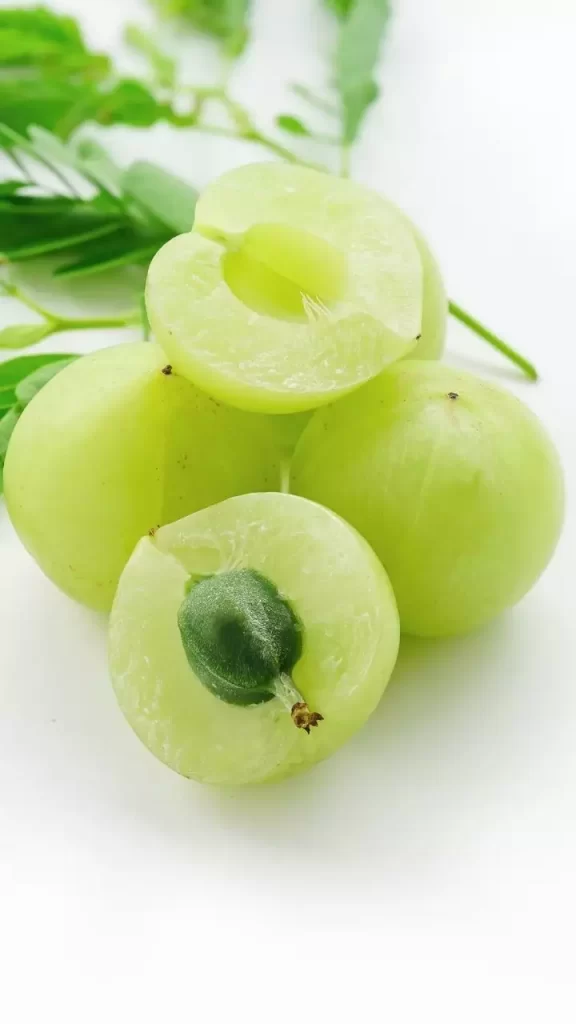
gooseberry, any of several species of flowering shrubs of the genus Ribes (family Grossulariaceae), cultivated for their edible fruits and as ornamentals. Currants and gooseberries form two groups within the genus Ribes; some taxonomic systems formerly placed gooseberries in their own genus, Grossularia. The tart fruit is eaten ripe and is often made into jellies,

Gooseberry Read More »

Acai berries

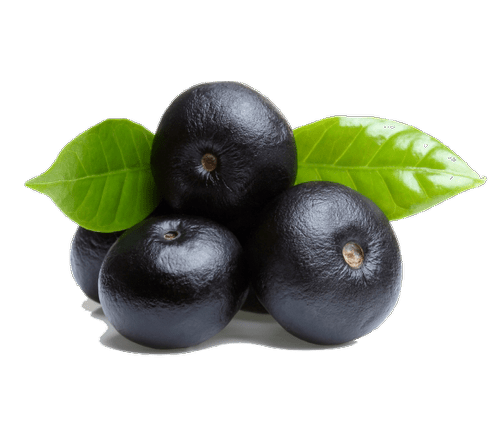
The açaí palm (/əˈsaɪ.iː/, Portuguese: [asaˈi] (audio speaker iconlisten), from Nheengatu asai), Euterpe oleracea, is a species of palm tree (Arecaceae) cultivated for its fruit (açaí berries, or simply açaí), hearts of palm (a vegetable), leaves, and trunk wood. Global demand for the fruit has expanded rapidly in the 21st century, and the tree is

Acai berries Read More »

Blueberry

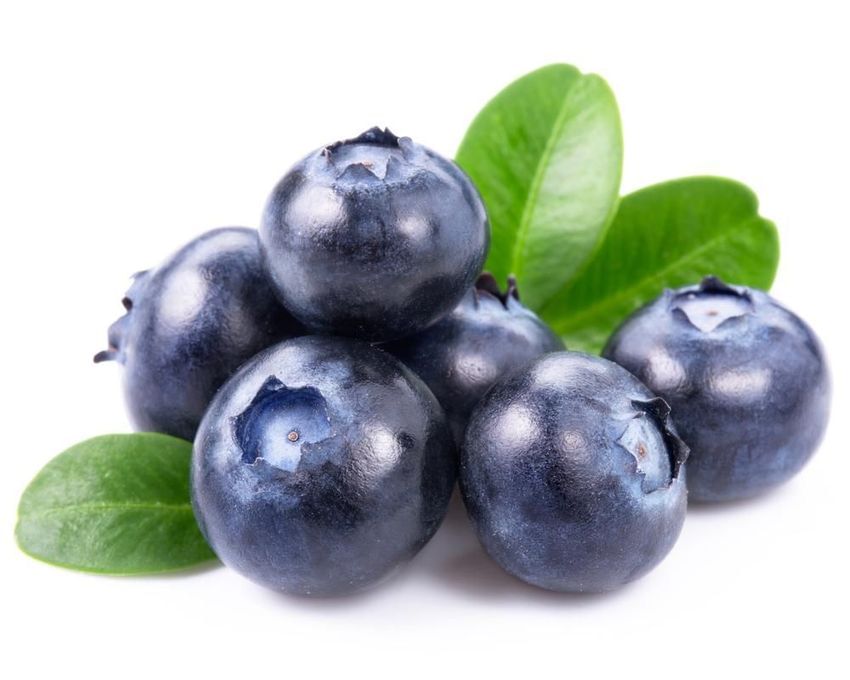
Blueberries are a widely distributed and widespread group of perennial flowering plants with blue or purple berries. They are classified in the section Cyanococcus within the genus Vaccinium. Vaccinium also includes cranberries, bilberries, huckleberries and Madeira blueberries. Commercial blueberries—both wild (lowbush) and cultivated (highbush)—are all native to North America. The highbush varieties were introduced into

Blueberry Read More »

Crowberry

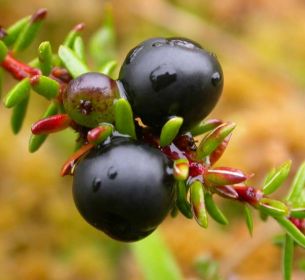
crowberry, (genus Empetrum), genus of three species of low evergreen shrubs of the heath family (Ericaceae). The plants thrive in subarctic, alpine, and boreal regions and produce juicy edible fruits that are somewhat acidic in taste. The fruits are an important food source for numerous species of songbirds and waterfowl as well as bears, voles,

Crowberry Read More »

Bearberry

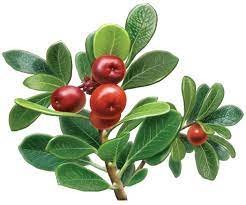
Bearberry, (Arctostaphylos uva-ursi), also called kinnikinnick, flowering prostrate evergreen shrubs of the heath family (Ericaceae), occurring widely throughout the northern reaches of Europe, Asia, and North America in rocky and sandy woods and in open areas. It has woody stems that are often 1.5–1.8 metres (5–6 feet) long. Roots develop from the stem, and the

Bearberry Read More »

Chokeberry

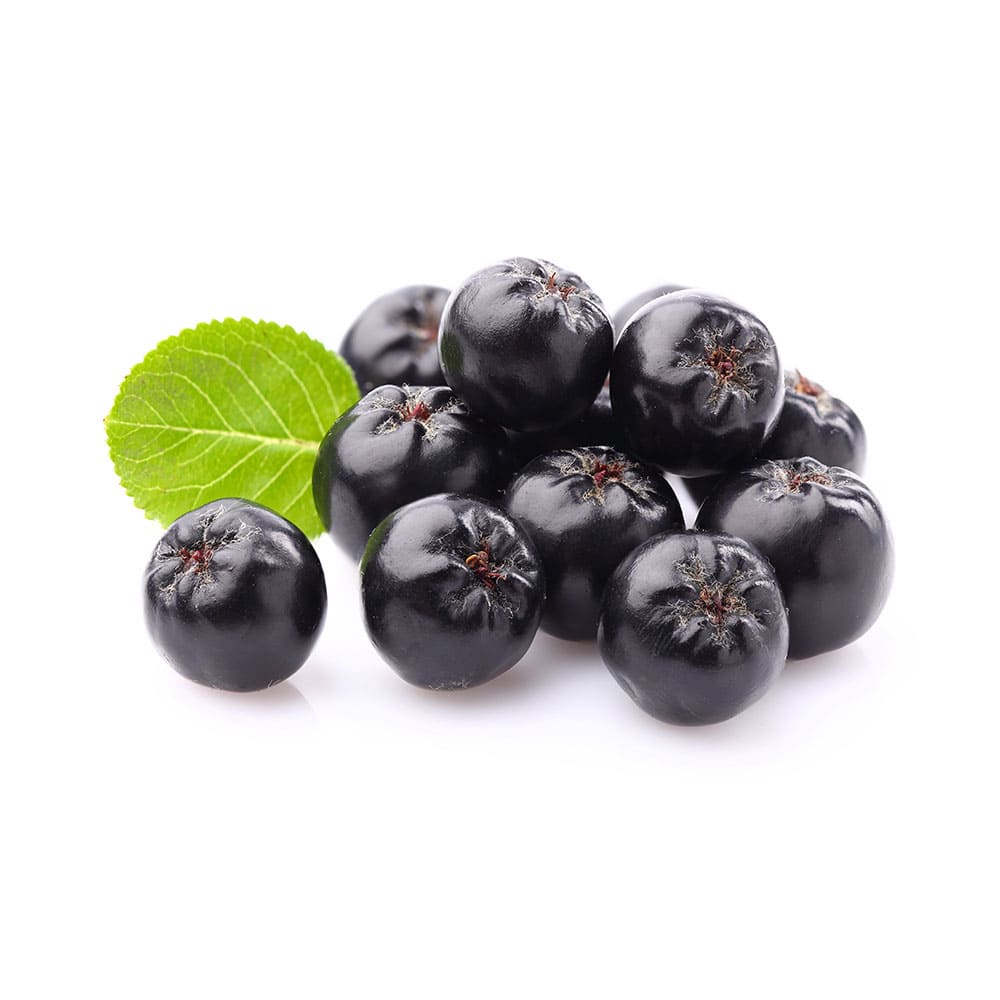
Black chokeberry (Aronia melanocarpa) is an adaptable shrub native to Minnesota with hardiness and wide tolerance to a variety of soil textures, densities, pH levels and moisture conditions. Because of suckering and its tolerance to wet soils, this species is typically used in mass planting, in naturalized and woodland gardens, for erosion control, in windbreaks and in excessively

Chokeberry Read More »

Golden Berry

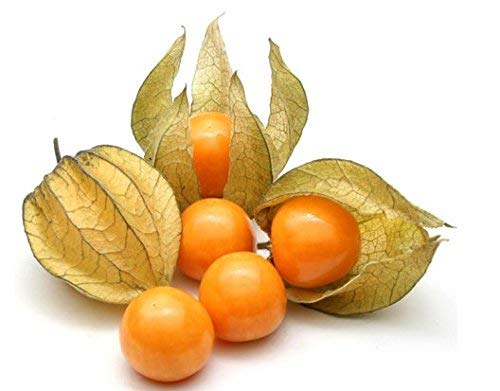
Golden berries are bright, orange-colored fruits that are closely related to the tomatillo. Like tomatillos, they are wrapped in a papery husk called a calyx that must be removed before eating. Slightly smaller than cherry tomatoes, these fruits have a sweet, tropical taste somewhat reminiscent of pineapple and mango. Many people enjoy their juicy pop

Golden Berry Read More »

Indian Strawberry

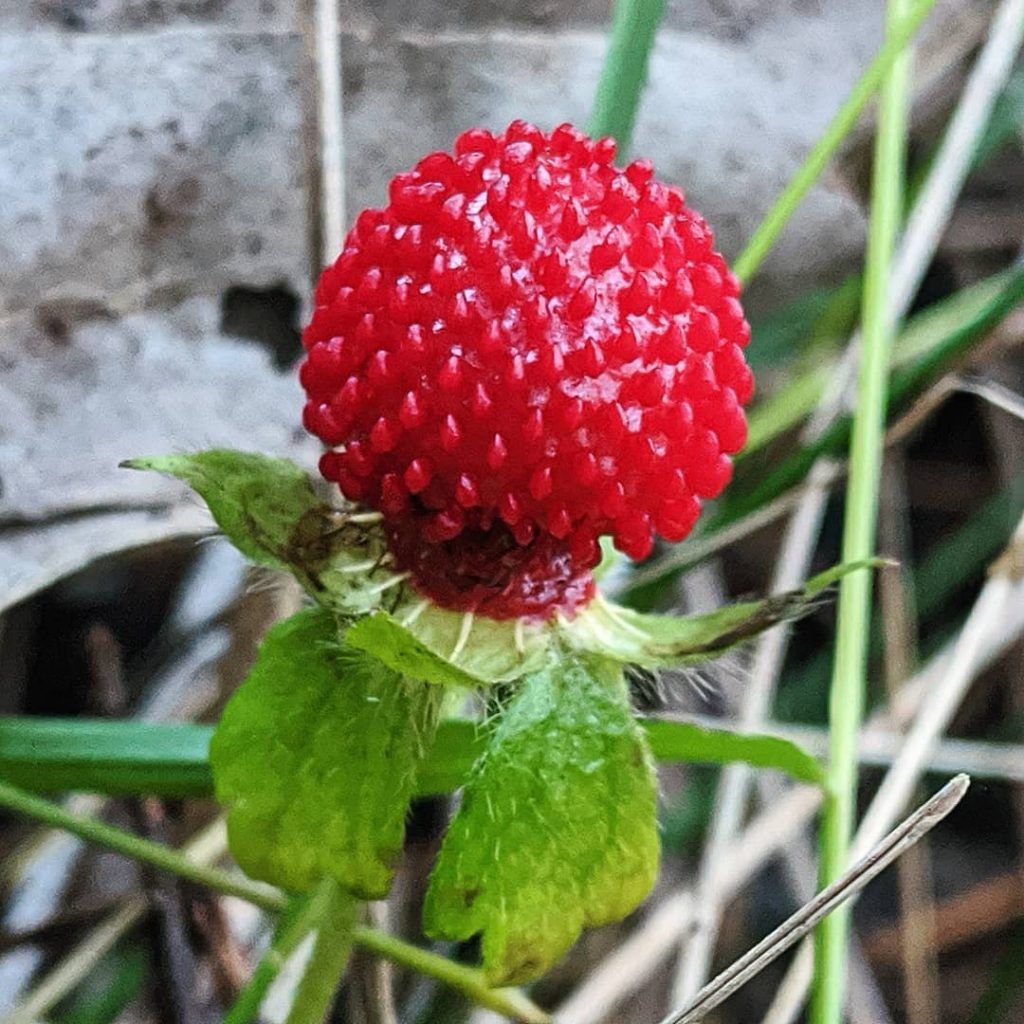
Potentilla indica known commonly as mock strawberry, Indian-strawberry, or false strawberry, often referred to as a backyard strawberry, mainly in North America, is a flowering plant in the family Rosaceae. It has foliage and an aggregate accessory fruit similar to that of a true strawberry. It has yellow flowers, unlike the white or slightly pink

Indian Strawberry Read More »

Strawberry

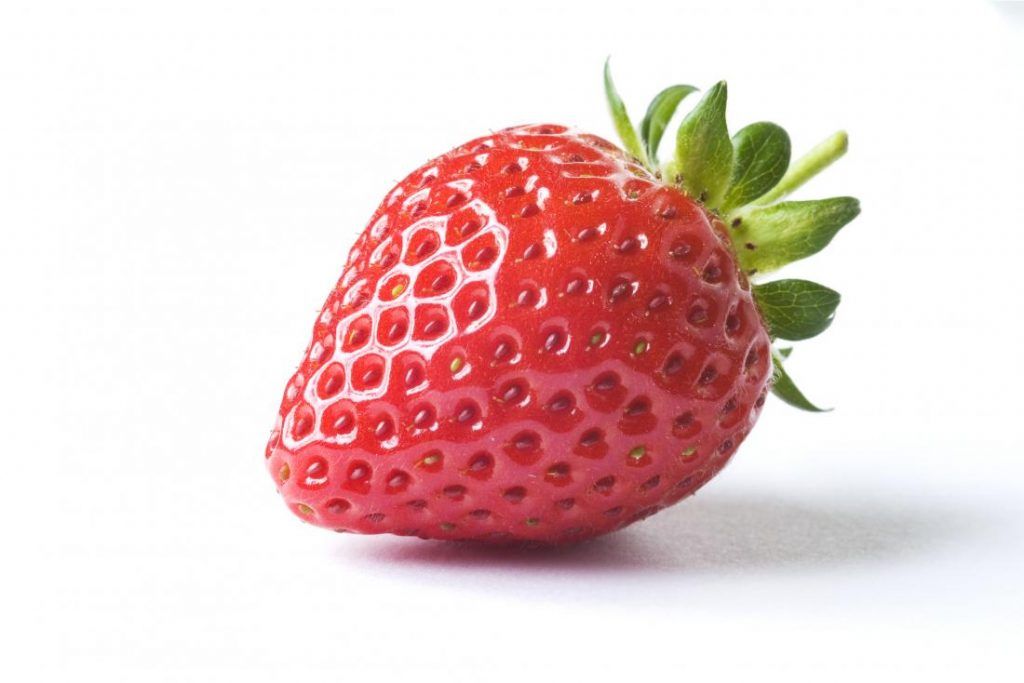
strawberry, (genus Fragaria), genus of more than 20 species of flowering plants in the rose family (Rosaceae) and their edible fruit. Strawberries are native to the temperate regions of the Northern Hemisphere, and cultivated varieties are widely grown throughout the world. The fruits are rich in vitamin C and are commonly eaten fresh as a

Strawberry Read More »

White Mulberry

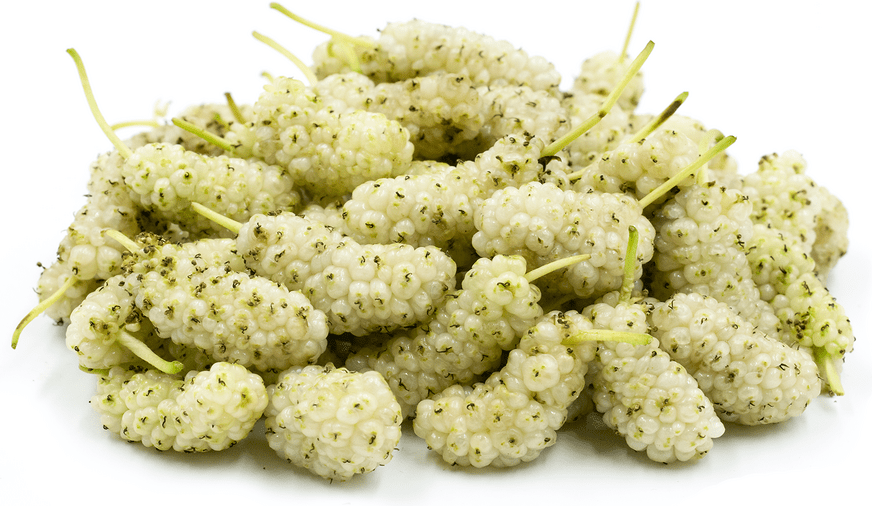
Morus alba, known as white mulberry, common mulberry and silkworm mulberry, is a fast-growing, small to medium-sized mulberry tree which grows to 10–20 m (33–66 ft) tall. It is generally a short-lived tree with a lifespan comparable to that of humans, although there are some specimens known to be more than 250 years old. The

White Mulberry Read More »

Dewberry

dewberry, any of several species of trailing blackberries of the genus Rubus in the rose family (Rosaceae). Dewberries are found throughout North America and northern Europe. They bear edible fruits that can be eaten raw or baked into cobblers or pies or made into preserves. They are occasionally cultivated but can spread rapidly and are

Dewberry Read More »

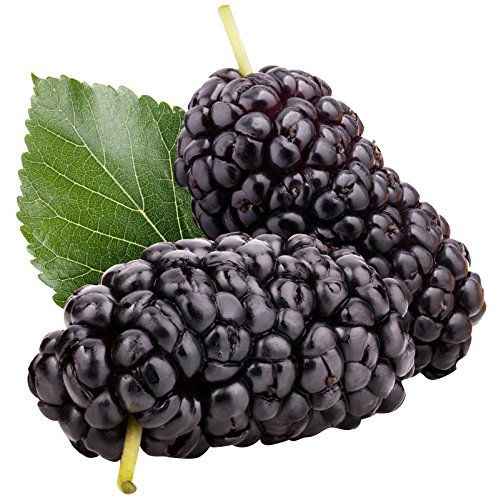
Black Mulberry

Black Mulberry

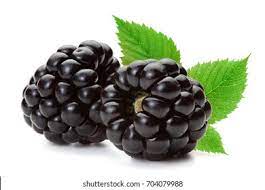
Morus nigra, called black mulberry or blackberry (not to be confused with the blackberries that are various species of Rubus), is a species of flowering plant in the family Moraceae that is native to southwestern Asia and the Iberian Peninsula, where it has been cultivated for so long that its precise natural range is unknown.

Black Mulberry Read More »

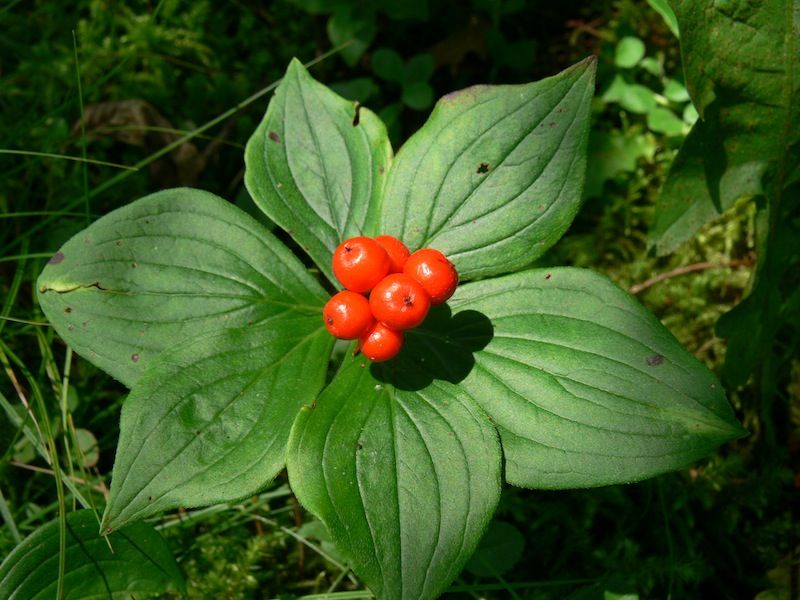
Bunchberry

Bunchberry

Bunchberry (Cornus canadensis) ground cover is a petite ground-hugging perennial plant that reaches only 8 inches (20 cm.) at maturity and spreads by underground rhizomes. It has a woody stem and four to seven leaves that are set up in a whorled pattern at the tip of the stem. Also known as creeping dogwood vine,

Bunchberry Read More »

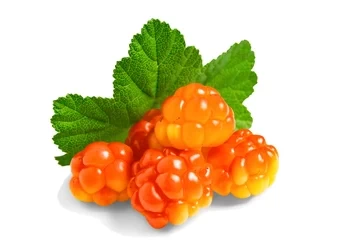
cloudberries

Cloudberry

cloudberry, (Rubus chamaemorus), also called salmonberry, yellowberry, bakeapple, bakeberry, malka, or baked apple berry, creeping herbaceous plant in the rose family (Rosaceae), native to the Arctic and subarctic regions of the north temperate zone, and its edible raspberry-like fruit. Eskimos and Sami collect the sweet juicy fruits in autumn to freeze for winter food. In

Cloudberry Read More »

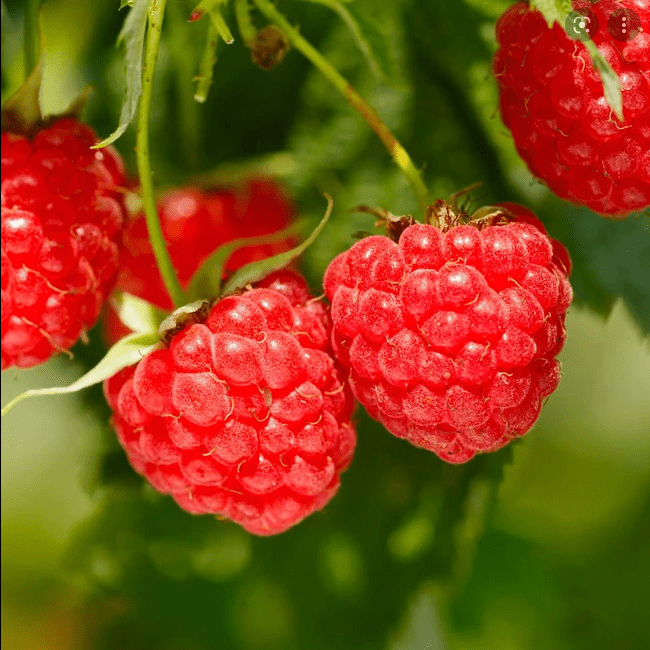
Raspberries

Raspberries

Raspberries are the edible fruit of a plant species in the rose family. There are many types of raspberries — including black, purple and golden — but the red raspberry, or Rubus idaeus, is the most common. Red raspberries are native to Europe and northern Asia and cultivated in temperate areas worldwide. Most US raspberries

Raspberries Read More »

Cornelian berry

Cornelian Berry

Cornelian Cherry – The forgotten elixir of ancient forest Cornelian cherry is almost a deity in Eastern European stories and myths. From the times when ancient people were discovering healing potentials of certain foods, this magical tree has been used from root to fruits. I don’t know why it got the suffix “cherry” in English,

Cornelian Berry Read More »