Ornamental plants

« Ornamental Plants »

Definition of Ornamental Plants:
Plants grow all over the world in different sizes, shapes and appearance. Some provides us with food, shelter or building materials, while others provide us with only visual delight. Ornamental Plants are also referred to as garden plants has beauty as its main trait. They are usually grown in the flower garden for the display of their flowers.It is a plant primarily grown for its beauty either for screening,accent, specimen, color or aesthetic reasons. Common ornamental features include leaves, scent, fruit, stem and bark.

History of Ornamental Plants:
The history of ornamental gardening started at least 4,000 years of human civilization.Egyptian tomb paintings of the 1500 BC are some of the earliest physical evidence of ornamental horticulture and landscape design.It depicts depict lotus ponds surrounded by symmetrical rows of acacias and palms.
Ornamentals, in horticulture, include both woody and herbaceous plants used primarily as amenities.

Important countries producing and consuming flowers and plants:
1- Netherlands 2- Italy 3- Germany 4- Switzerland 5- Denmark 6- Belgium 7- Sweden 8- Japan 9 – England 10- Australia 11- France 12- Spain 13- USA
As can be seen, the Netherlands ranks first among all countries and the rest of the countries are next.

In terms of consumption position, ornamental flowers are divided into three categories:
Annual Plants:
Ornamental plants used as flowers in the green space. These plants are usually not cold tolerant and have a relatively short life span. Like petunia and sage.

Perennial Plants:
Plants that can grow in the open for more than a year. Such as: chrysanthemums and permanent lilies.

INDOOR PLANTS:
Plants that can be stored only in the limited space of apartments and greenhouses. Like fig leaves and photos.

The effect of flowers and plants on the human psyche:
Research shows that buying flowers, planting flowers and plants, and looking at flowers in general evoke feelings of happiness, peace and freshness, positive thinking, and avoidance of sadness.

The color of the flowers is very important. Flowers with soft colors such as pink, white and purple, lead a person to calm emotions, and flowers with warm and bright colors such as red, yellow and orange, move the human sense to excitement and vitality.

The Canadian Ornamental Plants:
The Canadian Ornamental Plant Foundation was chartered by the federal government in 1964 to promote selection, testing and distribution of better ornamental plant cultivars. The procedures have provided breeders of new cultivars with the means of getting worthwhile new introductions into trade and, thence, to the general public. Much research into the development of cold-hardy plants takes place at Agriculture Canada Research Stations across the country. Successes include a cultivar of Alstroemeria, a member of the amaryllis family, developed at the Saanichton Research and Plant Quarantine Station, BC; Northline (a silver maple), Autumn Blaze (a white ash), Wascana (a hybrid linden) and Baron (a box elder), all developed at the Morden Research Station, Manitoba, for prairie use; and 2 new winter-hardy rose cultivars (Charles Albanel and Champlain), developed at the Ottawa Research Station.

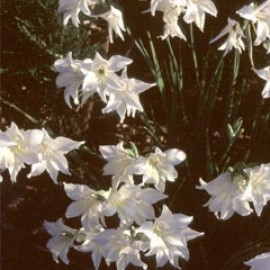
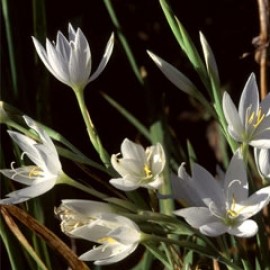
Gladiolus Tristis

Gladiolus Tristis

code: 818 It is quite unique amongst gladioli Family: Iridaceae Plant Classification: Hardy bulb Hardy perennial Minimum Height: 60 cm Maximum Height: 90 cm A native of South Africa, this winter growing species has wonderful scent in the evenings which is absolutely heavenly in April when the greenish-white flowers open progressively up the long rush-like […]

Gladiolus Tristis Read More »

Glaucidium Palmatum

Glaucidium Palmatum

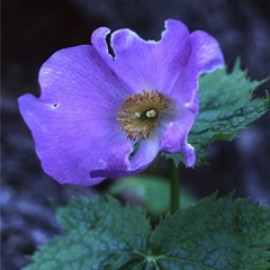
code: 817 A great treasure … Family: Papaveraceae Common name: JAPANESE WOOD POPPY Plant Classification: Hardy perennial Maximum Height: 38 cm Packet Content(approx.): 6 This rare, fabulous and choice connoisseur’s plant is very rarely seen or offered. Large and exquisite cup-shaped lavender flowers are held above soft lobed leaves making this one of the most

Glaucidium Palmatum Read More »

Gomphocarpus Physocarpus

Gomphocarpus Physocarpus

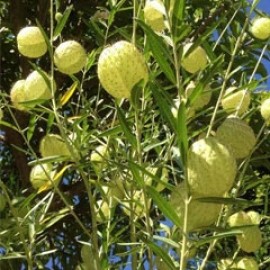
code: 814 The plant is native to southeast Africa Family: Apocynaceae Common name: balloonplant, balloon cotton-bush, bishop’s balls, nailhead, or swan plant Plant Classification: Half hardy shrub Minimum Height: 1.4 meters Maximum Height: 1.8 meters Packet Content(approx.): 12 Gomphocarpus physocarpus, commonly known as balloon plant, balloon cotton-bush, bishop’s balls, nailhead, or swan plant, is a

Gomphocarpus Physocarpus Read More »

Limnanthes Douglasii

Limnanthes Douglasii

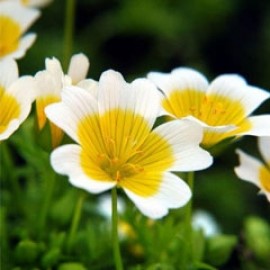
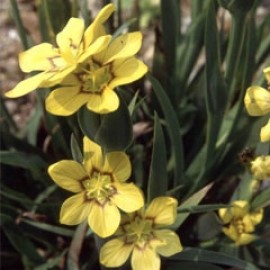
code: 812 It is native to California and Oregon Family: Limnanthaceae Common name: Poached Egg Plant, Douglas’ Meadowfoam Plant Classification: Hardy annual Minimum Height: 15 cm Maximum Height: 23 cm Packet Content(approx.): 22 Bright yellow cup-shaped flowers with white-tipped petals give this one the common name of poached egg plant, which will self-seed freely, future

Limnanthes Douglasii Read More »

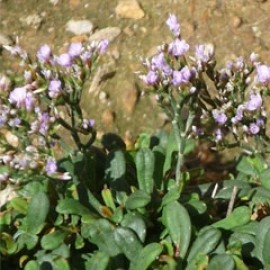
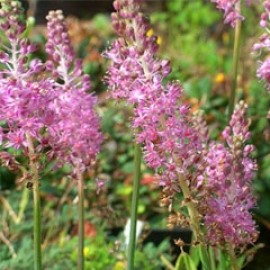
Limonium Gougetianum

Limonium Gougetianum

code: 810 An unusual plant from the Balearic Islands and Algeria Family: Plumbaginaceae Common name: Sea Lavender, Statice gougetiana Plant Classification: Hardy perennial Maximum Height: 15 cm Packet Content(approx.): 10 Sprays of tubular, pale violet blooms open in early summer on clumps of leaves which are arranged in rosettes, on this unusual “Sea Lavender” which

Limonium Gougetianum Read More »

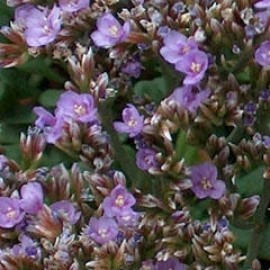
Limonium Minutum

Limonium Minutum

code: 809 This is a perfect specimen for a trough Family: Plumbaginaceae Common name: Sea Lavender Plant Classification: Hardy perennial Minimum Height: 6 cm Maximum Height: 10 cm Packet Content(approx.): 10 From a tufted mound of tiny, spathulate leaves arise compact airy spikes of lavender florets which form a small, bristly, bushy shrub. This is

Limonium Minutum Read More »

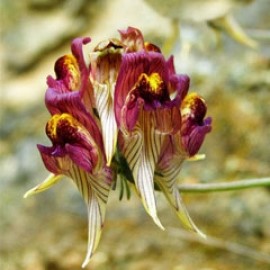
Linaria Aeruginea

Linaria Aeruginea

code: 808 it often acts as a reseeding annual Family: Plantaginaceae Plant Classification: Hardy perennial Minimum Height: 15 cm Maximum Height: 20 cm This attractive dwarf plant has attractive, fine-leaved, bluish-green foliage, and from May through to August small spikes of dwarf snapdragons appear, in that most unusual of colours, yellowy-brown, with some being a

Linaria Aeruginea Read More »

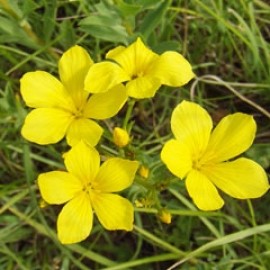
Linum Flavum

Linum Flavum

code: 807 Masses of bright golden-yellow flowers Family: Linaceae Common name: Golden Flax, Yellow Flax Plant Classification: Hardy perennial Minimum Height: 30 cm Maximum Height: 35 cm Masses of bright golden-yellow flowers open all summer long on thin stems bearing dark green, narrow, lance-shaped leaves. It is an exceptional perennial which deserves to be grown

Linum Flavum Read More »

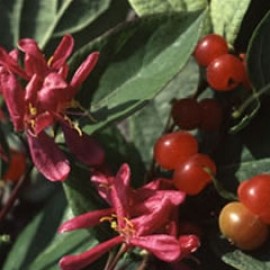
Lonicera Tatarica 'Arnold Red'

Lonicera Tatarica ‘Arnold Red’

code: 806 decorate this lovely climber until July Family: Caprifoliaceae Common name: Arnold red Honeysuckle Plant Classification: Hardy climber Minimum Height: 1.2 meters Maximum Height: 2.4 meters Curious, ruby red tubular flowers with asymetrically flared ends, decorate this lovely climber until July, when the whole plant becomes covered with bunches of bright red berries, much

Lonicera Tatarica ‘Arnold Red’ Read More »

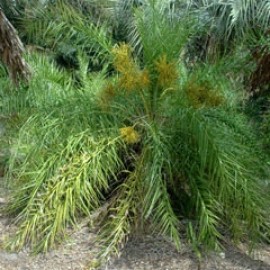
Phoenix Acaulis

Phoenix Acaulis

code: 800 The fruits are sweet and edible Family: Arecaceae Common name: Dwarf Date Palm, Stemless Date Palm Plant Classification: Half hardy tree Greenhouse perennial Minimum Height: 45 cm Maximum Height: 60 cm Packet Content(approx.): 10 large seeds The trunks in this dwarf species remain mostly underground, rarely growing to more than a few inches

Phoenix Acaulis Read More »

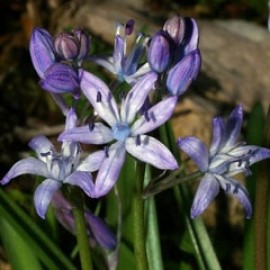
Scilla Reverchonii

Scilla Reverchonii

code: 797 It is ideal outside in a well-drained sunny spot Family: Asparagaceae Common name: Squill, Hyacinthoides reverchonii Plant Classification: Hardy bulb Hardy perennial Minimum Height: 20 cm Maximum Height: 25 cm These flowers open very early, between February and April, displaying short conical spikes of deep blue flowers, that hang to one side of

Scilla Reverchonii Read More »

Scilla Scilloides

Scilla Scilloides

code: 796 easy-to-grow plant Family: Asparagaceae Common name: Chinese Squill, Barnardia japonica Plant Classification: Hardy bulb Hardy perennial Minimum Height: 30 cm Maximum Height: 45 cm Packet Content(approx.): 10 Although this exceptional, rarely-seen plant has a name that tells us that it is the scilla that looks like a scilla, which is true, it is

Scilla Scilloides Read More »

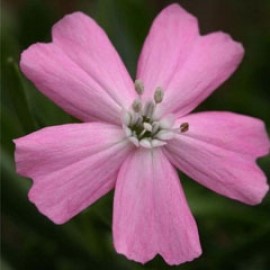
Silene Caroliniana

Silene Caroliniana

code: 795 compact and very easy to grow! Family: Caryophyllaceae Common name: Sticky Catchfly, Wild pink, Carolina Pink Plant Classification: Hardy perennial Maximum Height: 30 cm This “catchfly” is a densely mounded herbaceous perennial producing profuse, brilliant pink, carnation-like flowers from early May into June and July. It is an ideal substitute for Dianthus, and

Silene Caroliniana Read More »

Silene Pusilla

Silene Pusilla

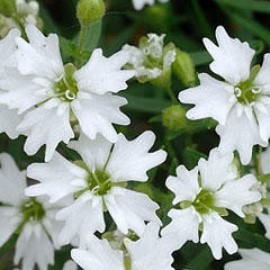
code: 794 native to high meadows and mountain slopes in Europe Family: Caryophyllaceae Common name: Alpine catchfly Plant Classification: Hardy perennial Minimum Height: 10 cm Maximum Height: 15 cm Neat, compact grassy tufts, massed into open cushions are covered with long-lasting white flowers on 6″ stems all summer long. This seldom-seen alpine plant is native

Silene Pusilla Read More »

Allium Platycaule

Allium Platycaule

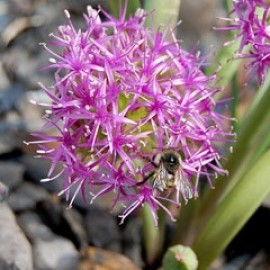
code: 791 Family: Alliaceae Common name: broadstemmed onion, flat-stem onion Plant Classification: Hardy bulb This superb, easy, alpine, or garden species has bright, hot-pink to magenta flowers with the stamens sticking out from each flower making the flower ball look fluffy. Thick, flattened, sickle-shaped, blue-green leaves persist until well after flowering. It is native to

Allium Platycaule Read More »